



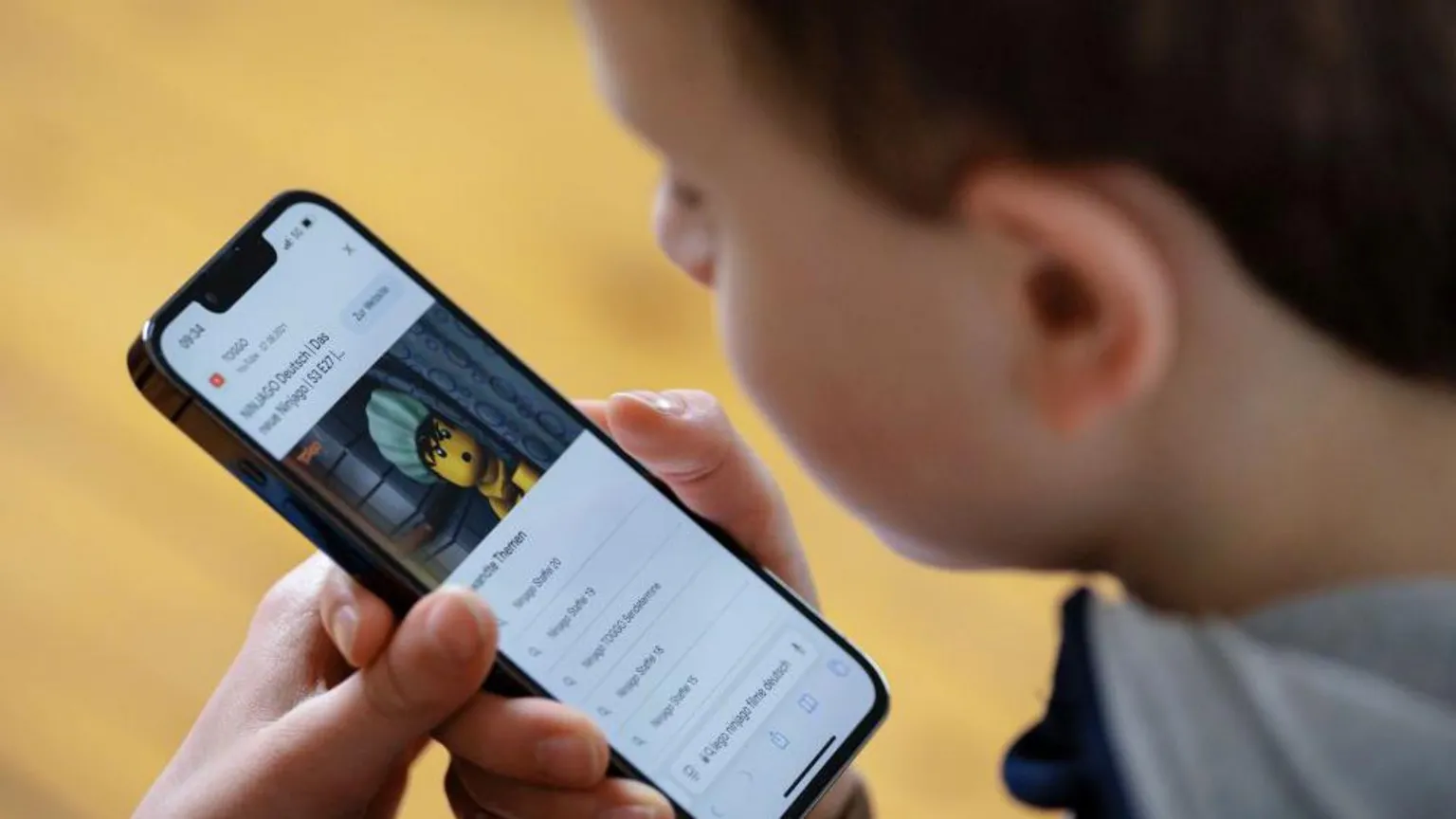

Austria, Vienna: Government moves to restrict children’s access to social media platforms amid rising concerns over addiction, mental health risks, and harmful digital content exposure
Austria has unveiled plans to ban children under the age of 14 from accessing social media platforms, marking a significant step in a growing global movement to regulate young users’ online activity. The proposal, announced by Vice-Chancellor Andreas Babler, reflects mounting concern among policymakers about the psychological and social impact of digital platforms on children.
The move follows extended negotiations within Austria’s conservative-led coalition government and signals a broader shift toward stricter digital safeguards for minors. While the plan has been agreed in principle, key questions remain about how the ban will be implemented and enforced.
Babler emphasized the urgency of the issue, warning that social media platforms are increasingly contributing to addiction and mental health challenges among young users. He argued that policymakers have a duty to intervene, likening the risks of social media to those posed by alcohol and tobacco.
“There must be clear rules in the digital world too,” Babler stated, underscoring the need for stronger protections against algorithm-driven content that can influence behavior and well-being.
Under the proposed measures, children under 14 would be shielded from addictive algorithms that curate content based on engagement patterns. Officials argue that these systems often expose young users to harmful or inappropriate material, amplifying risks related to self-esteem, anxiety, and misinformation.
Austria’s Education Minister Christoph Wiederkehr echoed these concerns, describing social media as “harmful” if not used responsibly. He stressed the importance of equipping young people with digital literacy skills alongside any restrictions.
“People need to learn how to use it responsibly,” Wiederkehr said, suggesting that education reforms will complement the proposed ban.
The legislation is expected to be formalized in a draft bill by June, according to State Secretary for Digitalisation Alexander Pröll. The bill will likely include technical mechanisms for verifying users’ ages—one of the most challenging aspects of enforcing such restrictions.
Officials are considering integrating an EU-wide age verification system if it becomes available. Otherwise, Austria may develop its own national solution to ensure compliance across platforms.
The announcement comes amid increasing international momentum to regulate children’s access to social media. Countries across Europe and beyond are exploring similar measures as evidence mounts linking excessive social media use to mental health issues among adolescents.
In Australia, a ban on social media for children under 16 was introduced in December, making it the first country to implement such sweeping restrictions. Meanwhile, France has moved to prohibit access for users under 15, with President Emmanuel Macron publicly welcoming Austria’s initiative as part of a broader international effort.
Other European nations are also considering similar policies. The United Kingdom has launched consultations on a potential ban for under-16s, while Denmark and Greece are evaluating restrictions for those under 15. Spain and Ireland are exploring measures targeting users under 16.
The global push has been further fueled by legal developments in the United States. In a landmark case, a jury recently found that major social media companies had deliberately designed addictive algorithms that negatively impacted young users’ mental health. The ruling has intensified scrutiny of tech companies and their responsibility toward younger audiences.
Social media firms, however, maintain that existing safeguards are already in place. Most platforms officially prohibit users under 13 and offer child-friendly versions with parental controls. Critics argue that these measures are insufficient and poorly enforced, allowing underage users to bypass restrictions with ease.
Despite the growing support for stricter regulation, Austria’s proposal has sparked political debate. Christian Hafenecker of the far-right Freedom Party criticized the plan as an infringement on young people’s rights.
He described the proposed ban as “a direct attack on freedom of expression and freedom of information,” raising concerns about potential overreach by the government.
Political analyst Thomas Hofer offered a more nuanced perspective, suggesting that the policy’s popularity may stem from broader public anxieties.
“The government is trying to evoke the feeling that, in turbulent times, they have at least something under control,” Hofer noted. He added that such measures resonate strongly with parents, making them politically advantageous.
The proposed ban is part of a wider package of education reforms aimed at modernizing Austria’s school system. These include increased focus on democracy and artificial intelligence, as well as a reduction in traditional subjects such as Latin.
Supporters argue that combining digital restrictions with educational initiatives creates a balanced approach to preparing young people for the digital age. Critics, however, warn that enforcement challenges and potential unintended consequences could undermine the policy’s effectiveness.
As Austria moves forward with its plan, the debate highlights a broader global dilemma: how to protect children in an increasingly digital world without compromising their rights and opportunities.
The coming months will be crucial in determining whether Austria can translate its ambitious proposal into a workable and enforceable policy—one that could set a precedent for other nations grappling with the same challenges.
This article was created using automation technology and was thoroughly edited and fact-checked by one of our editorial staff members