



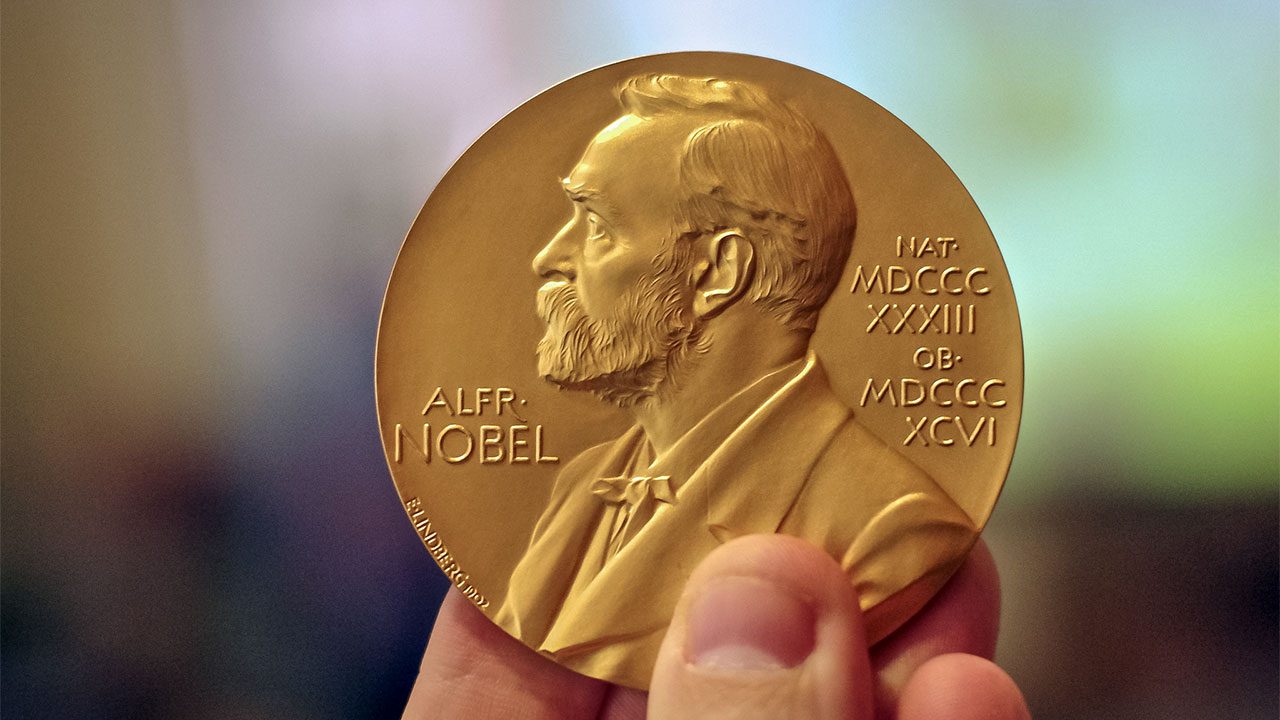

Three scientists have shared this year’s Nobel prize in physiology or medicine for discovering how the body responds to changes in oxygen levels, one of the most essential processes for life.
William Kaelin at the U.S. Dana-Farber Cancer Institute and Harvard Medical School was “almost speechless” when told that he and two other doctors, Gregg Semenza of Johns Hopkins University and Briton Peter Ratcliffe of Oxford University, would share the 9-million Swedish-crown ($913,000) prize, the Nobel award-giving body said.
“They were extremely happy, and happy to share the prize with each other,” Thomas Perlmann, a member of the Nobel Assembly, told reporters as the prize was announced.
Beyond describing a fundamental physiological process that enables animals to thrive in some of the highest regions on Earth, the mechanism has given researchers new routes to treatments for anaemia, cancer, heart disease and other conditions.
The work has already led to a swathe of drugs, such as roxadustat and daprodustat, which treat anaemia by fooling the body into thinking it is at high altitude, making it churn out more oxygen-carrying red blood cells. But similar drugs aim to help heart disease and lung cancer patients who struggle to get enough oxygen into their bloodstream. More experimental drugs based on the finding seek to prevent cancers from growing by blocking their ability to make new blood vessels.