



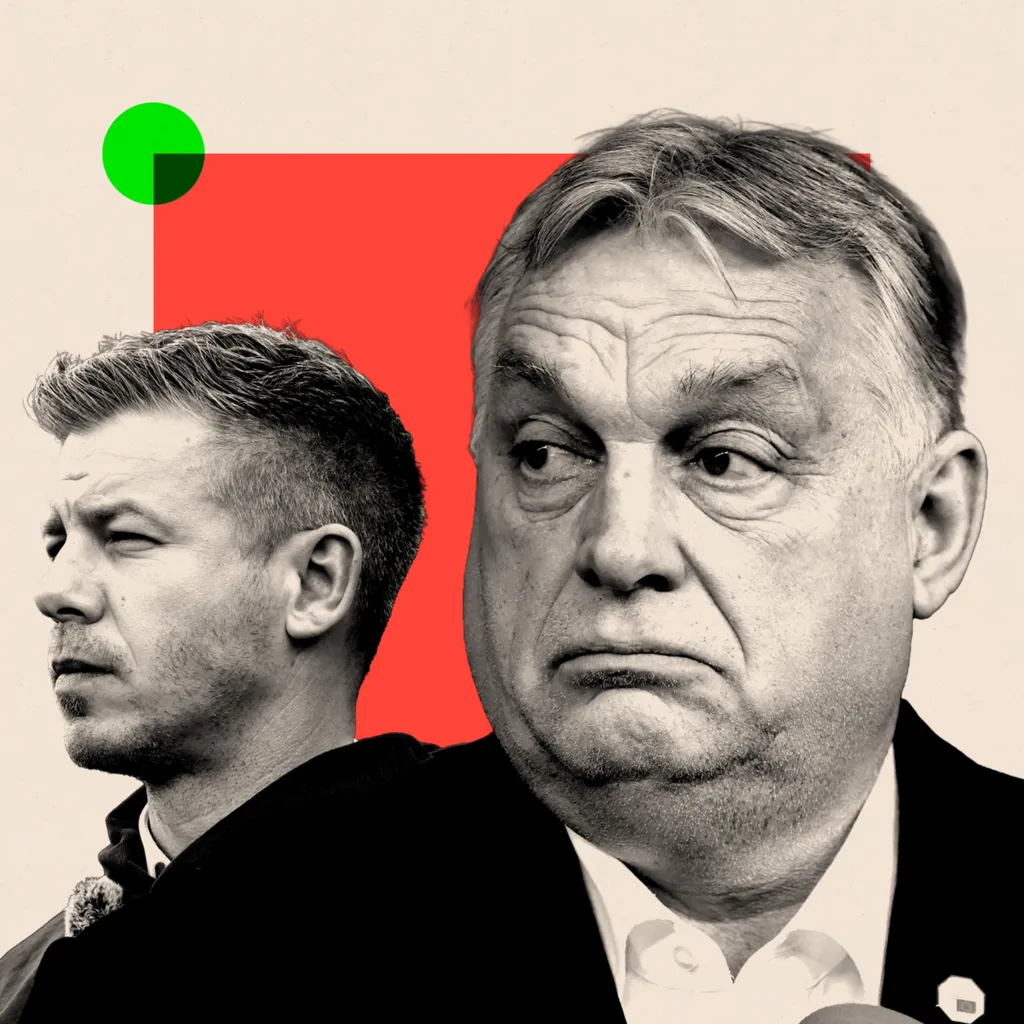

Hungary is heading toward a pivotal parliamentary election, with Prime Minister Viktor Orban facing one of the toughest challenges of his 16-year rule.
Once considered politically unassailable, Orban now confronts a surging opposition led by Peter Magyar, whose Tisza party has gained remarkable traction in recent months.
Recent opinion polls suggest a dramatic shift in public sentiment. While Orban’s Fidesz party once enjoyed a comfortable lead, newer surveys indicate that Tisza has moved ahead, reflecting growing dissatisfaction among voters.
Analysts say this change signals a broader erosion of trust in the ruling establishment, particularly among younger Hungarians.
Orban, known for his composed and strategic image, has taken a more aggressive tone on the campaign trail. At a recent rally, his unusually sharp remarks toward opposition protesters revealed the mounting pressure he faces.
After years of limited campaigning, he is now actively touring the country to mobilize support, especially in rural areas that have traditionally formed the backbone of Fidesz’s voter base.
A central issue in the election has been allegations of corruption. Critics accuse the government of funneling state resources toward business networks linked to allies and family members.
High-profile infrastructure projects and private ventures have come under scrutiny, though the government maintains that such policies are aimed at strengthening national economic control.
The opposition has capitalized on this discontent, portraying Orban and his allies as part of a “corrupt ruling elite.” Peter Magyar, a former insider in the Fidesz system, has positioned himself as a reformist alternative.
Since breaking away from the ruling party, he has campaigned extensively across the country, focusing on everyday concerns such as healthcare, education, and economic inequality.
Magyar’s rapid rise has been one of the most striking developments of the campaign. Initially dismissed as an unlikely challenger, he has drawn significant crowds, even in traditionally pro-government regions.
His direct communication style and emphasis on transparency have resonated with voters seeking change.
The election is also shaped by international dynamics. Orban has framed the vote as a choice between “peace and war,” linking his policies to opposition against deeper European involvement in the Ukraine conflict.
His government has maintained close ties with Russia and resisted efforts within the European Union to reduce dependence on Russian energy.
However, this narrative appears to be losing ground. Polling indicates that a growing number of Hungarians view Russia’s actions in Ukraine as unjustified, suggesting that foreign policy messaging may have limited impact compared to domestic concerns.
Concerns over electoral integrity have also surfaced, with reports alleging voter intimidation and inducements in rural areas. While these claims remain unverified, they have intensified scrutiny of the electoral process.
The outcome of the election could have far-reaching implications beyond Hungary. A victory for Orban would reinforce his model of governance and strengthen nationalist movements across Europe.
Conversely, a defeat could mark a significant shift away from populist leadership and signal renewed alignment with European democratic institutions.
As campaigning enters its final days, the race remains highly competitive. The result will not only determine Hungary’s political future but also influence the broader trajectory of European politics.