



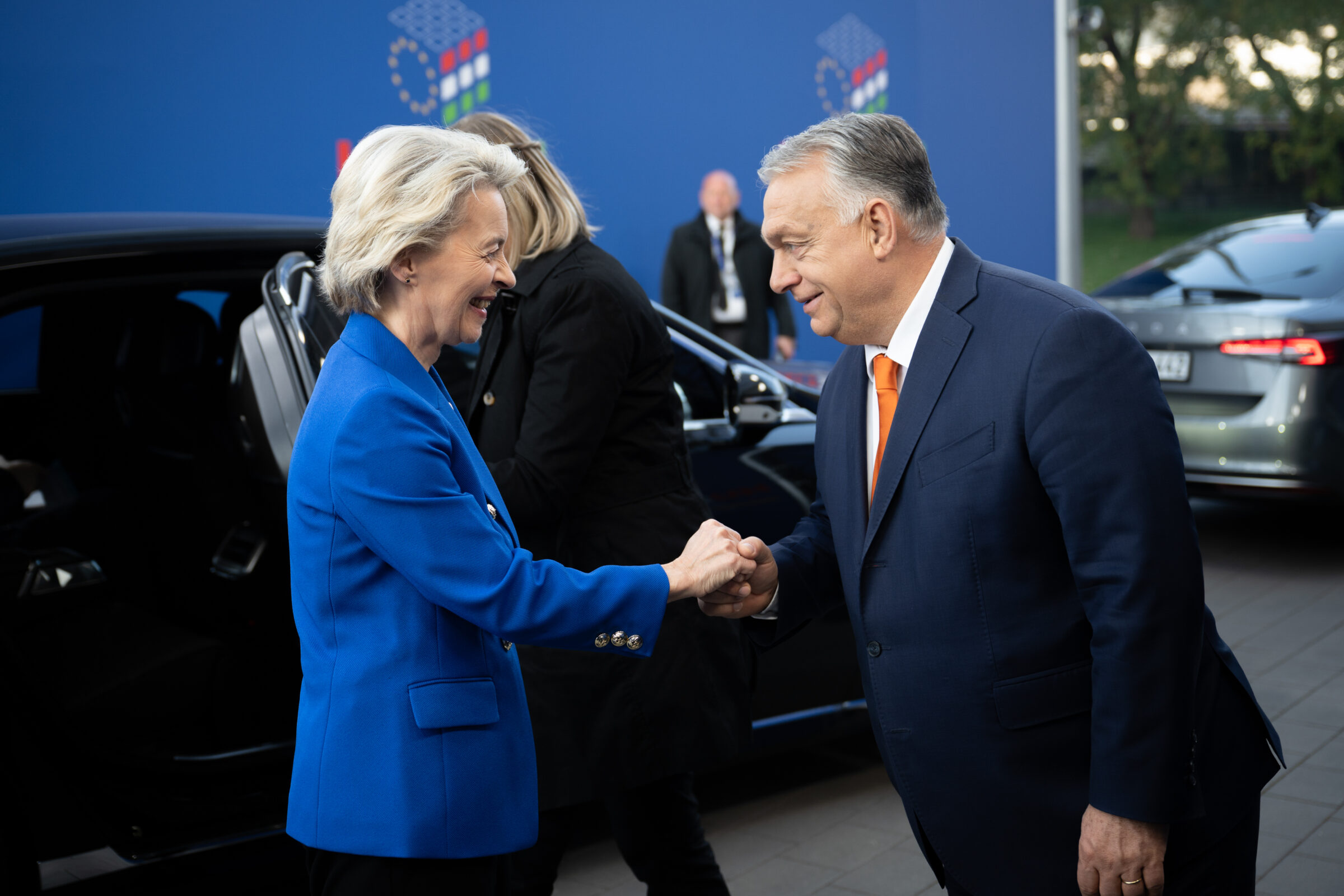

Tensions within the European Union have escalated as a dispute over the Druzhba pipeline threatens to derail financial aid to Ukraine and new sanctions against Russia.
Hungary’s Prime Minister Viktor Orbán has blocked a proposed €90-billion loan package for Ukraine, as well as additional sanctions on Moscow, citing delays in restoring oil flows through the pipeline.
The pipeline, a critical energy route for Central Europe, was damaged earlier this year during Russian strikes, according to Kyiv.
In a coordinated effort to resolve the standoff, European Commission President Ursula von der Leyen and European Council President Antonio Costa wrote to Ukrainian President Volodymyr Zelensky, urging swift repairs.
They emphasized that restoring the pipeline would enable the EU to move forward with both financial assistance and punitive measures against Russia “in a timely manner.”
“The EU has offered Ukraine technical support and funding. The Ukrainians have welcomed and accepted this offer,” von der Leyen said in a statement, adding that European experts are ready to assist immediately.
Orbán, however, has taken a firm stance, openly linking Ukraine’s access to EU funds with the pipeline’s reopening. “If President Zelensky wants to get his money from Brussels, then the Druzhba pipeline must be reopened. No oil, no money,” he declared in a video statement.
Hungary, along with Slovakia—led by Prime Minister Robert Fico—relies heavily on oil transported via the Druzhba pipeline. Both countries have accused Ukraine of deliberately slowing repair efforts, a claim Kyiv denies.
Zelensky has previously condemned the linkage between energy transit and war support as “blackmail,” arguing that Ukraine should not be pressured into concessions while defending itself against Russia’s invasion. However, recent correspondence suggests a shift in Kyiv’s position.
In his reply to EU leaders, Zelensky confirmed that Ukraine would accept technical and financial assistance to expedite repairs. He also instructed the head of the state energy company Naftogaz to coordinate directly with EU experts to move the project forward.
The dispute comes at a time of heightened global concern over energy supplies. Ongoing instability in the Middle East has prompted countries worldwide to seek additional oil sources to stabilize prices.
This broader energy crunch has amplified the importance of pipelines like Druzhba, particularly for landlocked European nations.
Orbán, widely regarded as Russian President Vladimir Putin’s closest ally within the EU, has also called for a suspension of sanctions on Russian oil and gas, arguing that such measures are exacerbating price pressures across Europe.
The pipeline controversy is also unfolding against a domestic political backdrop in Hungary. With legislative elections approaching, Orbán has intensified his rhetoric against Ukraine, framing the dispute as a matter of national interest and energy security.
EU leaders are expected to address the issue at an upcoming summit, where the bloc’s unity on Ukraine, sanctions, and energy policy will face a cri