



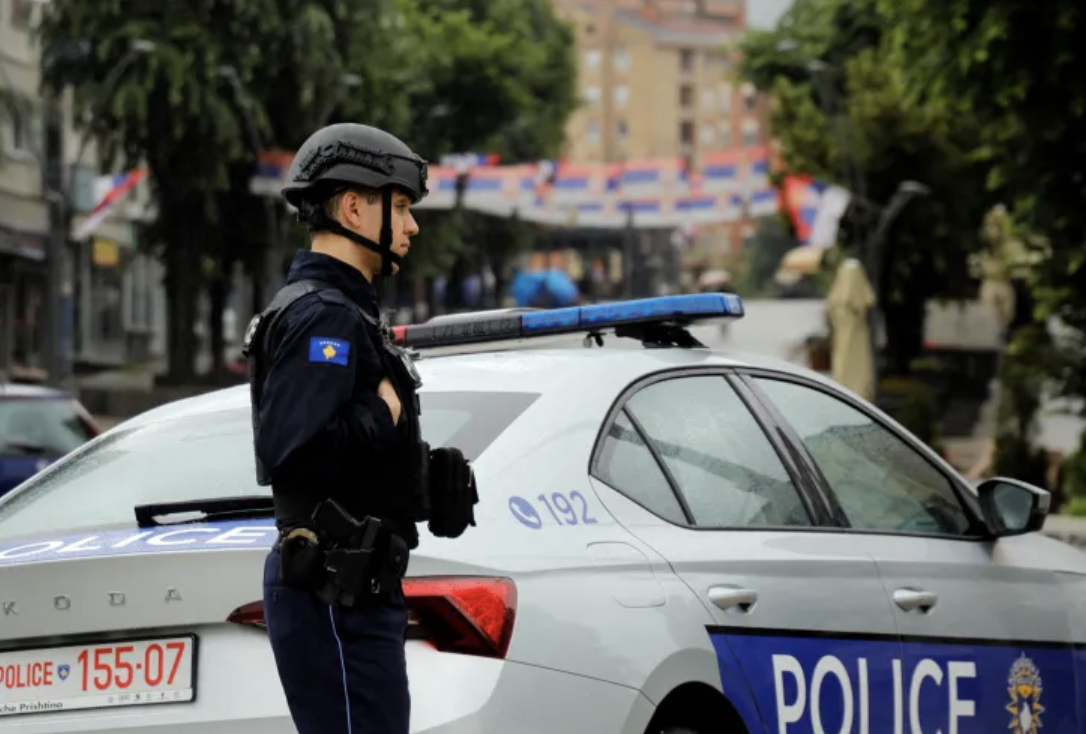

The European Union has called for emergency talks with the leaders of Serbia and Kosovo in a bid to de-escalate the growing tensions and prevent a potential return to open conflict in the region. The EU’s foreign policy chief, Josep Borrell, has summoned Kosovo Prime Minister Albin Kurti and Serbian President Aleksandar Vucic for urgent meetings in Brussels, set to take place on Thursday. The primary objective of these talks is to facilitate immediate de-escalation and foster the conditions necessary for new elections in the northern region, including the participation of Kosovo Serbs.
Over the years, the European Union has taken the lead in facilitating discussions between Serbia and Kosovo, hoping to find a mutually acceptable resolution to their long-standing dispute. However, progress has been limited, and the recent clashes near the border have raised concerns about the potential for renewed violence. The EU’s decision to convene emergency talks reflects the gravity of the situation and the urgent need for a concerted effort to address the escalating tensions.
The underlying issues between Serbia and Kosovo are complex and deeply rooted in historical, ethnic, and political factors. Following the breakup of Yugoslavia in the 1990s, Kosovo, a predominantly ethnic Albanian territory, declared independence from Serbia in 2008. However, Serbia does not recognize Kosovo’s sovereignty, leading to ongoing disputes and occasional outbreaks of violence.
The recent clashes near the border have exacerbated the already tense situation. It is crucial to understand the potential consequences of allowing the tensions to escalate further. Open conflict would not only pose a significant threat to the stability of the region but also have broader implications for the European Union as a whole. The EU, committed to fostering peace and stability within its member states and neighboring regions, recognizes the urgent need for intervention.
Josep Borrell’s call for immediate de-escalation and the push for new elections in the northern region, including Kosovo Serb participation, highlights the EU’s approach to finding a peaceful and inclusive resolution. By emphasizing the importance of democratic processes and inclusive governance, the EU seeks to create a platform for dialogue and reconciliation between the opposing sides.
While the path to resolution remains challenging, the European Union’s involvement offers hope for progress. The EU’s experience in conflict resolution and its commitment to diplomacy provide a valuable framework for facilitating negotiations between Serbia and Kosovo. The emergency talks in Brussels serve as a reminder of the EU’s dedication to promoting peace and stability in the Balkans and its determination to prevent any backsliding into violence.
However, it is important to recognize that the ultimate responsibility for reaching a lasting resolution lies with the leaders of Serbia and Kosovo. The EU’s role is to facilitate and support the dialogue process, but the commitment to finding a mutually acceptable solution must come from the parties involved. It is crucial for both leaders to prioritize the well-being and security of their citizens and engage in constructive and meaningful discussions.
The forthcoming emergency talks in Brussels provide an opportunity for the leaders of Serbia and Kosovo to recommit themselves to the dialogue process. It is hoped that they will seize this chance to foster an environment of trust, respect, and compromise. The EU, along with the international community, stands ready to provide assistance and support as the two sides navigate through the challenges that lie ahead.
As the talks unfold, the European Union will closely monitor the progress made and explore potential avenues for further engagement. The resolution of the Serbia-Kosovo dispute is not only crucial for the stability of the region but also for the advancement of the European Union’s broader agenda of peace, cooperation, and integration.