



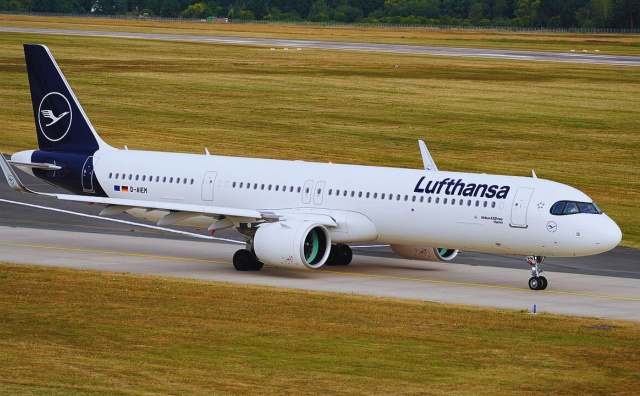

GERMANY, HESSE — Lufthansa weighs temporary grounding of up to 40 aircraft as fuel costs surge due to escalating Middle East conflict pressures
Frankfurt — Lufthansa is considering temporarily grounding around 20 aircraft as soaring fuel prices, driven by escalating tensions linked to the conflict involving Iran, continue to weigh heavily on the global aviation sector.
The potential move was revealed by Lufthansa Group CEO Carsten Spohr during an internal meeting with employees, according to German business daily Handelsblatt. The decision underscores growing concerns within the airline industry over the financial strain caused by geopolitical instability in the Middle East.
Spohr explained that grounding 20 aircraft would amount to approximately a 2.5% reduction in the airline’s total seat capacity. However, he warned that the number could double to as many as 40 aircraft if market conditions deteriorate further.
The CEO emphasized that Lufthansa is preparing for multiple scenarios as uncertainty continues to grip global markets. “We must remain flexible and ready to adapt quickly,” Spohr reportedly told staff, highlighting the unpredictable nature of the crisis.
Industry analysts say fuel prices are among the most critical cost factors for airlines, often accounting for a substantial portion of operating expenses. Any sustained increase can quickly erode profit margins, forcing airlines to consider cost-cutting measures such as reducing flight capacity or retiring older aircraft.
According to Spohr, the planes most likely to be grounded are older models nearing the end of their operational life cycles. This approach allows Lufthansa to scale back operations while minimizing disruption to its modern and more fuel-efficient fleet.
By prioritizing older aircraft, the airline aims to maintain operational efficiency and reduce maintenance costs, which tend to rise significantly as planes age. The strategy also aligns with broader industry trends toward modernization and sustainability.
The ongoing conflict involving Iran has triggered volatility in global energy markets, pushing oil prices higher and creating uncertainty for industries heavily dependent on fuel. Aviation, in particular, is highly sensitive to such fluctuations, given its reliance on jet fuel.
Experts note that rising ticket prices could follow if fuel costs remain elevated, potentially discouraging travel demand. Spohr echoed this concern, warning that passengers may reconsider travel plans amid increasing costs and broader geopolitical uncertainty.
“Demand is closely linked to consumer confidence,” he noted, adding that prolonged instability could dampen both business and leisure travel across key international routes.
The situation is already being closely monitored by other major carriers, many of which are facing similar challenges. Airlines across Europe and beyond are reassessing their capacity planning and financial forecasts as the crisis unfolds.
While Lufthansa has not yet made a final decision, the company is expected to continue evaluating market conditions in the coming weeks. The airline’s leadership is particularly focused on balancing cost management with maintaining service reliability for customers.
The potential grounding of aircraft also reflects broader concerns about the resilience of the aviation sector in the face of geopolitical shocks. Over the past decade, airlines have had to navigate multiple crises, including pandemics, economic downturns, and regional conflicts.
Spohr acknowledged that the current situation appears to be having a stronger impact than initially anticipated. He stressed that Lufthansa is committed to taking proactive measures to safeguard its financial stability while continuing to serve passengers effectively.
The airline’s cautious approach highlights the delicate balance between operational efficiency and market demand. Reducing capacity too aggressively could limit revenue opportunities, while failing to act could expose the company to rising costs.
As the conflict continues to evolve, Lufthansa’s next steps will likely depend on how fuel prices and travel demand respond in the coming months. Industry observers say the airline’s strategy could serve as a benchmark for others facing similar pressures.
For now, passengers may not see immediate changes, but the situation remains fluid. Travelers are advised to stay informed about potential schedule adjustments as airlines adapt to shifting market dynamics.
The developments at Lufthansa offer a clear indication of how global events can ripple through industries far beyond their immediate geographic scope, reinforcing the interconnected nature of today’s economy.
This article was created using automation technology and was thoroughly edited and fact-checked by one of our editorial staff members