



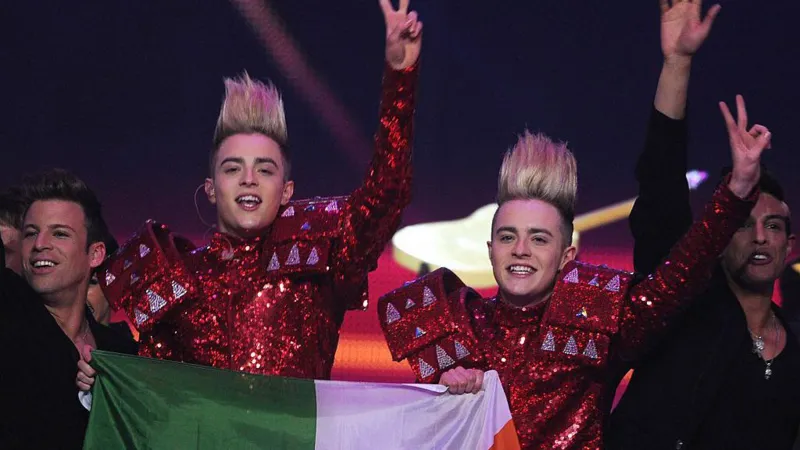

Ireland’s national broadcaster RTÉ has announced that the country will not participate in the 2026 Eurovision Song Contest if Israel remains part of the competition.
In a statement issued Thursday, RTÉ said Ireland’s participation “would be unconscionable given the ongoing and appalling loss of lives in Gaza.” The broadcaster added it would make its final decision once the European Broadcasting Union (EBU) confirms Israel’s eligibility.
Ireland is not alone in raising concerns. Slovenia’s national broadcaster RTVSLO has already said it will withdraw from next year’s contest in Vienna if Israel competes. Spain’s Culture Minister, Ernest Urtasun, has also suggested Madrid may boycott under the same circumstances.
Meanwhile, Iceland’s RÚV stated its involvement is “subject to the outcome of the ongoing consultation process within the EBU,” reserving the right to withdraw should Israel remain in the lineup.
RTÉ also highlighted its concern over the targeting of journalists in Gaza and the lack of international media access to the territory. The broadcaster added that the plight of hostages in the ongoing conflict further underscores the humanitarian urgency.
Martin Green, Director of the Eurovision Song Contest, acknowledged the mounting tension, saying the EBU “understands the concerns and deeply held views around the ongoing conflict in the Middle East.” He added that all broadcasters have until mid-December to confirm their participation in Vienna.
Earlier this year, RTÉ’s Director General, Kevin Bakhurst, had already asked the EBU to discuss Israel’s inclusion, calling himself “appalled” by the civilian toll in Gaza while mindful of his broadcaster’s duty to maintain objectivity.
Public reaction within Ireland has been supportive of RTÉ’s position. Frank Dermody, Chair of the Irish Eurovision Fan Club, praised the move as a “very good decision,” arguing that Eurovision should not serve as a platform for political agendas.
Dermody warned that if more broadcasters follow Ireland’s stance, the contest could shrink to just 15 or 20 participants, a sharp drop from the usual 37 to 40 countries.
The controversy is not new. Earlier this year, more than 70 former Eurovision contestants signed a letter urging the EBU to ban Israel from the 2025 edition.
With Vienna preparing to host the 2026 contest, the EBU faces one of its most politically sensitive decisions in recent years. Whether Israel will remain in the competition may determine the scale of participation — and the future credibility — of the Eurovision Song Contest.