




Ireland’s government has announced it will no longer introduce hate speech laws, a key component of its response to riots in Dublin last year.
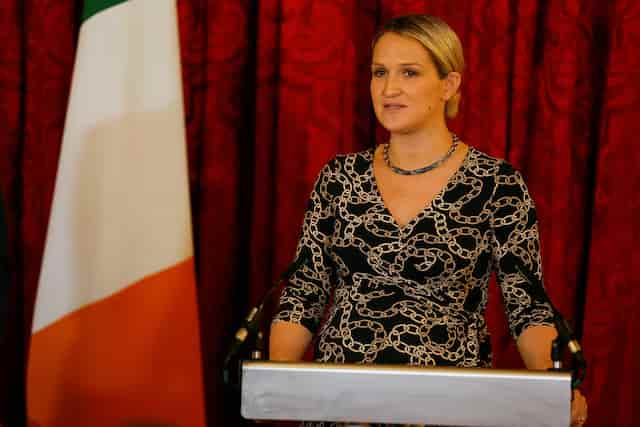
Justice Minister Helen McEntee confirmed on Saturday that the government will drop the controversial incitement to hatred proposals, following mounting opposition from lawmakers, critics, and prominent voices, including billionaire Elon Musk.
The proposed legislation, originally brought before parliament two years ago, sought to tighten Ireland’s anti-hate laws, which the government described as outdated in the age of social media.
The push for more stringent legislation gained momentum last November, after a night of unprecedented riots in Dublin sparked national debate on the rise of online and offline hate speech.
However, the government’s plans quickly became a lightning rod for criticism. Opponents argued that the new measures threatened free speech, while members of the government itself expressed concern about their potential overreach.
Amid growing public and political resistance, McEntee announced that the government would proceed only with the sections of the legislation addressing hate crime, shelving the more contentious hate speech component.
In an interview with national broadcaster RTE, McEntee explained that the decision was driven by a lack of consensus. “I believe [existing incitement to hatred legislation] needs to be strengthened.
However, we need a consensus to do that, and we don’t currently have that,” she said. The justice minister emphasized the importance of addressing hate crime but acknowledged that pushing forward without widespread support would be counterproductive.
The Irish Times first broke the news on Saturday, confirming that McEntee’s decision marks a significant shift in the government’s approach to tackling hate speech and incitement.
Critics within the government had been voicing their opposition to the incitement to hatred proposals for months, citing concerns over their potential implications for free speech and the challenges of enforcement in an increasingly digital world.
The backlash wasn’t limited to Ireland’s political sphere. Earlier this year, Elon Musk, owner of the social media platform X (formerly known as Twitter), became an outspoken opponent of the proposed legislation.
Musk took to his platform to offer financial support for any legal challenges against the Irish government’s hate speech laws, amplifying the debate and drawing international attention.
Musk’s criticism centered on concerns that the legislation could stifle free expression and create an environment of censorship.
“We will fund any challenges to the hate speech law,” Musk said, underscoring his platform’s commitment to defending free speech, a stance that has defined his ownership of X.
The government’s decision to abandon the hate speech proposals has been met with a mix of relief and frustration.
Free speech advocates welcomed the move as a victory for civil liberties, while others have expressed disappointment that Ireland will not be addressing what they see as a growing issue of hate-fueled rhetoric online.
Despite this setback, McEntee stressed that the government remains committed to tackling hate crime.
The remaining sections of the legislation will focus on prosecuting individuals and groups responsible for hate-motivated crimes, ensuring that vulnerable communities are protected.
As Ireland recalibrates its approach, the debate over hate speech and free expression is far from over. For now, the government has taken a step back, acknowledging the need for greater consensus before pursuing any new laws in this fraught area.