



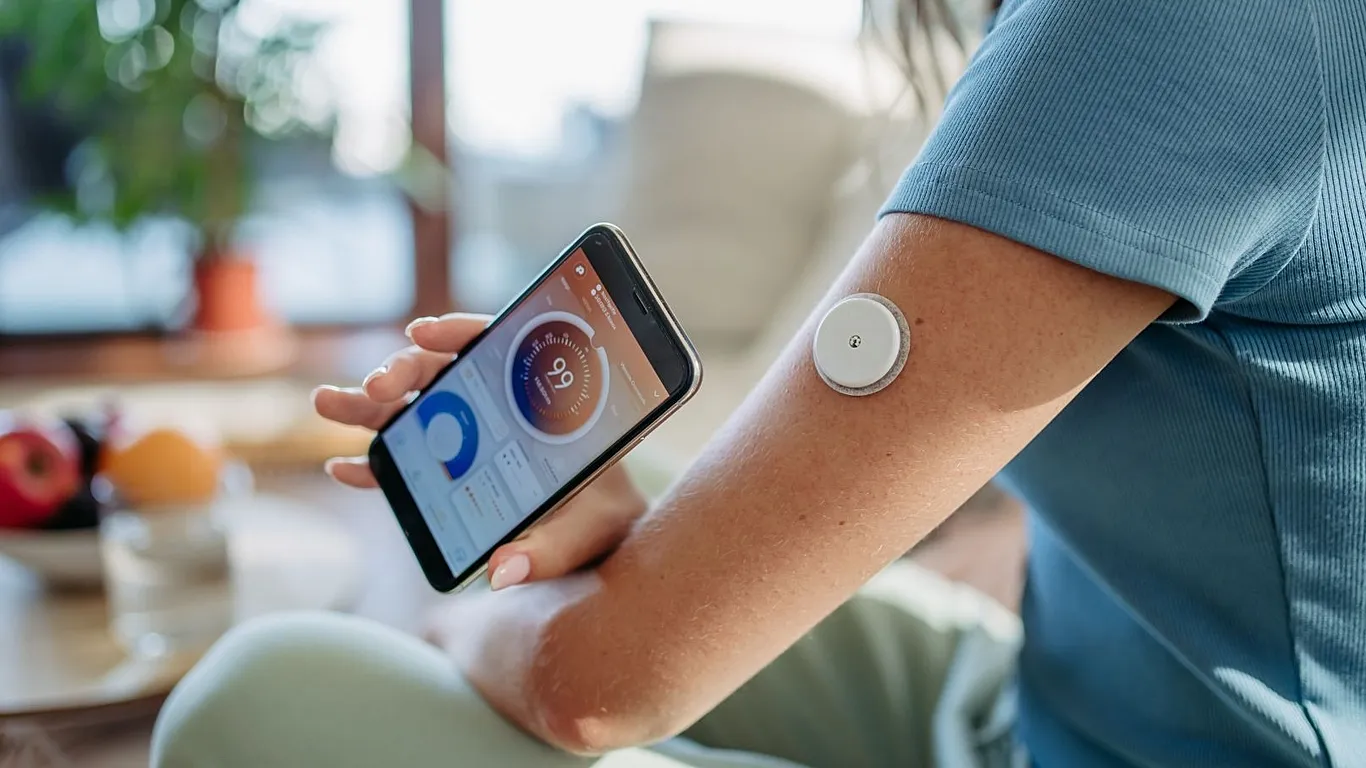

Small wearable devices that track blood sugar are seeing a surge in popularity among health-conscious consumers. But a new study suggests that continuous glucose monitors (CGMs), designed primarily for diabetics, may not deliver the same level of accuracy or health insight for people without the condition.
CGMs are small, sensor-based devices often fitted to the back of the arm or abdomen. They measure glucose levels continuously and send the data to a mobile app, allowing users to observe fluctuations throughout the day. For people with diabetes, this technology has proven vital in managing diet, activity, and medication to keep blood sugar within healthy ranges.
However, researchers at Brigham and Women’s Hospital in the United States have found that the benefits for those without diabetes are less clear. The study, published in the journal Diabetes Technology and Therapeutics, compared data from CGMs with HbA1c blood tests — considered the gold standard in assessing long-term blood sugar control.
The study involved 972 participants across three groups: people with diabetes, people with prediabetes, and those with normal blood sugar levels. All participants wore Dexcom G6 devices for up to 10 days, which recorded their glucose levels every five minutes.
For individuals with type 2 diabetes, the CGM data closely matched HbA1c results, particularly for average blood glucose. However, for people with prediabetes, the results were less reliable. And among those with normal blood sugar, CGM readings showed little relationship to HbA1c levels.
“Our study reaffirms that CGMs are great tools for people with diabetes,” said Dr. Jorge Rodriguez, an internal medicine physician at Brigham and Women’s Hospital. “But for those without diabetes, CGM data is not a substitute for HbA1c, which assesses blood sugar control over several months.”
The research highlights how CGMs capture short-term fluctuations that are normal in people without diabetes but may not reflect any meaningful health risks. This could explain why many wellness-focused users misinterpret data or assume issues where none exist.
Despite these limitations, CGMs are increasingly marketed as lifestyle devices. They are available without prescriptions in some European countries and promoted to fitness enthusiasts as tools to optimize diet and exercise.
Rodriguez noted that CGMs could still serve as “biofeedback” tools for non-diabetic users, helping them understand how specific foods or activities affect their glucose levels in real time. However, he cautioned that they should not be considered reliable indicators of long-term metabolic health.
The findings underscore the need for more comprehensive studies to determine whether CGMs can provide real health benefits for people without diabetes or prediabetes. For now, experts advise caution and stress that these devices remain most valuable for their intended users: people with diabetes.
As CGMs become more accessible and popular, the study serves as a timely reminder that not all health tech delivers equal benefits across populations.