



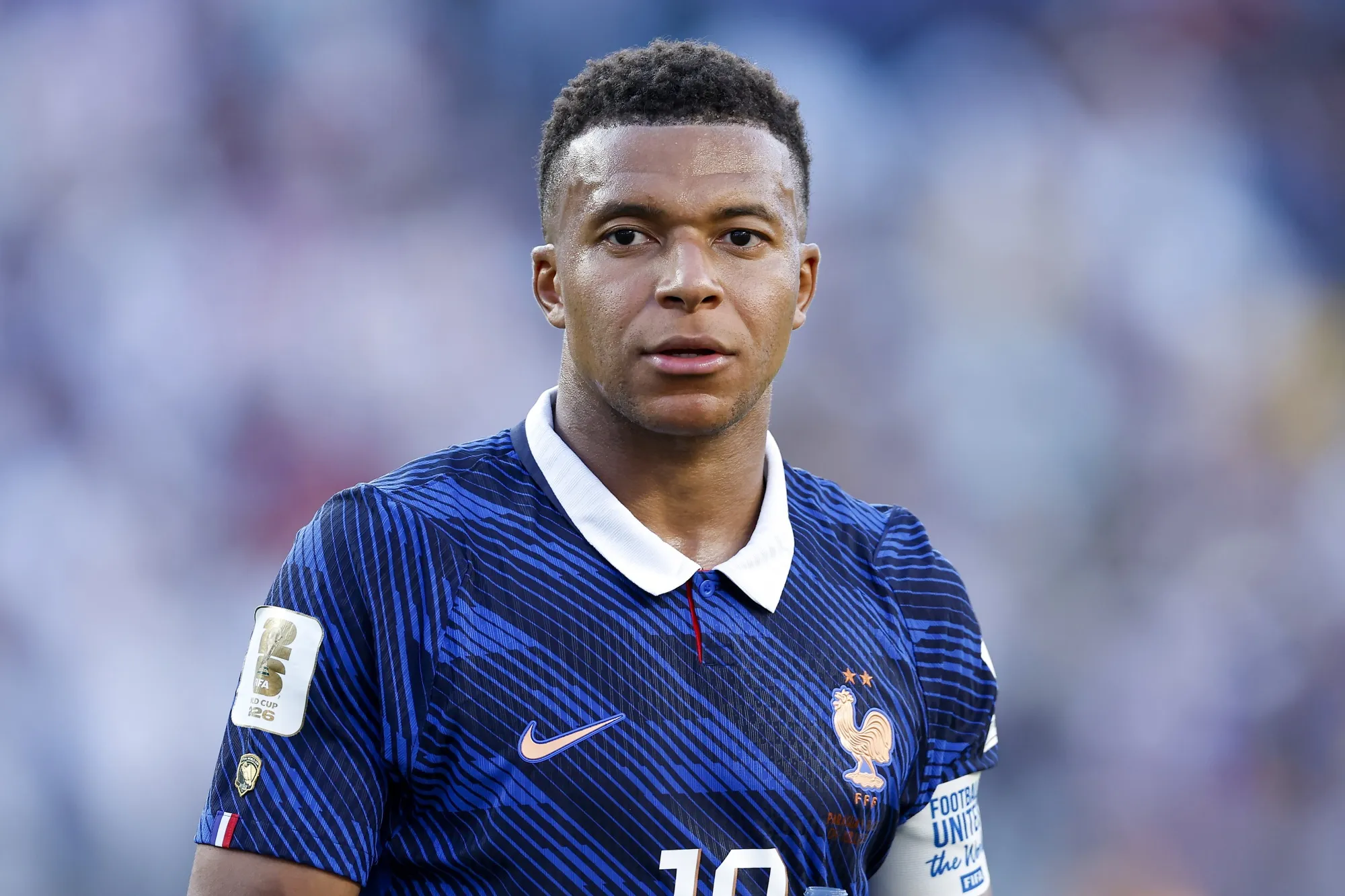

France, Île-de-France: Paris prosecutors launch hate speech investigation after racist online abuse targeting French football captain Kylian Mbappé following World Cup victory
French prosecutors have launched a criminal investigation after Paraguayan Senator Celeste Amarilla allegedly posted racist remarks directed at France captain Kylian Mbappé following France’s FIFA World Cup victory over Paraguay.
The investigation marks one of the most high-profile legal responses by French authorities to online racial abuse targeting a national sports figure during an international tournament. Officials confirmed that prosecutors are examining whether Amarilla’s statements violated French laws against public insults motivated by discrimination and incitement to hatred or violence.
According to the Paris prosecutor’s office, the investigation was initiated after the French Football Federation (FFF) filed a complaint through France’s national unit responsible for combating online hate speech.
The controversy erupted after France defeated Paraguay in the FIFA World Cup Round of 16, with Mbappé scoring the decisive penalty to send the defending European giants into the quarterfinals.
Soon after the match, Amarilla, a senator representing Paraguay’s Liberal Radical Party, published a series of posts on X that targeted Mbappé with comments referencing his origins, ethnicity, appearance, upbringing and education.
The remarks immediately sparked outrage across France and the wider football community, with critics describing them as openly racist and incompatible with the values of international sport.
French prosecutors stated that the investigation concerns alleged aggravated public insult and incitement to hatred or violence based on a person’s actual or perceived origin, nationality, ethnicity, race or religion.
Under French law, those offenses can carry penalties of up to one year in prison and fines reaching €45,000 if proven in court.
Although the statements were allegedly published outside France, prosecutors noted that French judicial authorities are legally permitted to investigate because Mbappé is a French citizen and the alleged victim of the discriminatory remarks.
The legal action reflects France’s increasingly aggressive stance against online hate speech, particularly when it targets public figures on the basis of race or ethnicity.
Mbappé responded publicly to Amarilla’s comments shortly after they appeared online, describing the senator as “despicable” and saying she was “unworthy” of serving in Paraguay’s Congress.
His response received widespread support from football fans, anti-racism organizations and political leaders throughout France.
The French Football Federation strongly condemned the comments, calling them “utterly abhorrent” and “unacceptable.” The federation emphasized that racism has no place in football or society and pledged to support Mbappé throughout the legal process.
French President Emmanuel Macron also publicly backed the national team captain, reaffirming France’s commitment to combating racism in all forms. Sports Minister Marina Ferrari similarly expressed solidarity with Mbappé, condemning discriminatory abuse directed toward athletes representing the country on the international stage.
As criticism mounted, Amarilla removed the controversial social media post and later issued an open letter written in both French and Spanish.
In the statement, she apologized for insulting Mbappé but insisted that her criticism had been directed at him personally rather than at France or the French people.
Amarilla also acknowledged that she had used “the same insults” she herself had experienced as a mixed-race individual, expressing regret for repeating language she considered offensive.
However, her apology stopped short of fully resolving the dispute.
The Paraguayan senator demanded that Mbappé apologize for referring to her as a “despicable woman,” arguing that his comments amounted to gender-based violence.
She further warned that she was prepared to pursue legal action unless the French footballer withdrew his remarks.
Her response generated mixed reactions, with many observers arguing that the original racist comments remained the central issue rather than Mbappé’s criticism of her conduct.
The Paraguayan government quickly distanced itself from Amarilla’s statements.
In an official statement, authorities condemned her remarks as incompatible with the values of peaceful coexistence, equality and respect for human dignity promoted by Paraguay.
The government stressed that Amarilla’s comments represented her personal views and did not reflect the position of either the Paraguayan government or the Paraguayan people.
The incident has once again highlighted the persistent problem of racism in international football, despite years of anti-discrimination campaigns led by governing bodies and national federations.
Football organizations around the world have repeatedly called for stronger measures to address racist abuse, particularly on social media platforms where athletes frequently become targets following major matches.
Mbappé has previously spoken about discrimination in football and has consistently supported initiatives promoting equality and inclusion.
The latest case demonstrates how high-profile players continue to face racist abuse despite growing legal protections and public awareness campaigns.
Legal experts note that France has strengthened its enforcement against online hate speech in recent years, allowing authorities to pursue investigations even when offensive content originates abroad under certain circumstances.
The investigation will now determine whether sufficient evidence exists to bring formal charges against Amarilla under French criminal law.
If prosecutors conclude that the legal threshold has been met, the case could proceed to court, potentially becoming an important precedent for addressing cross-border online hate targeting French citizens.
The incident has also renewed debate over the responsibilities of elected officials when using social media platforms.
Public officials are generally expected to uphold standards of respectful public discourse, and discriminatory language from lawmakers often attracts heightened scrutiny because of their influential positions.
As France prepares for its World Cup quarterfinal against Morocco, Mbappé remains focused on helping his team continue its pursuit of another world title.
Off the field, however, the legal proceedings underscore the broader challenges facing modern sport, where achievements on the pitch are increasingly accompanied by battles against racism and online abuse.
For French authorities, football institutions and many supporters, the investigation sends a clear message that discriminatory attacks against athletes will not be ignored, regardless of where they originate or who makes them.