




In the wake of relentless rains and severe weather conditions, England has suffered one of its worst agricultural years in recent memory.
The 2024 harvest season, following what was confirmed to be the wettest winter in nearly 200 years, has been catastrophic for farmers across the country.
Key cereal crops, which are the backbone of England’s agricultural output, have seen their lowest yields in four decades, barring the exceptional circumstances of the COVID-19 pandemic in 2020.
As a result, farmers are facing financial losses expected to total nearly £600 million (€716 million), a crisis that raises urgent questions about the impact of climate change on food security in the UK.
Devastating Harvest Decline
According to new research from the government’s Energy and Climate Intelligence Unit (ECIU), England’s wheat haul was just 10 million tonnes in 2024, a dramatic 21% drop from 2023 levels. This makes it one of the lowest yields on record and a troubling sign for the future of UK agriculture.
Wheat, along with oats, winter barley, and oilseed rape, make up a significant portion of the country’s cereal crops. However, 2024’s harvest volumes fell to a 40-year low, prompting widespread concern.
“The 2024 harvest was a shocker, and climate change is to blame,” said Tom Lancaster, a land, food, and farming analyst at the ECIU.
He highlighted that although some of the shortfalls were mitigated by imports, England’s farmers were left to bear the brunt of what is now the second worst harvest on record.
Lancaster emphasized that “climate change is the biggest threat to UK food security. These impacts are only going to get worse until we reduce our greenhouse gas emissions.”
Heavy rainfall in early 2024, combined with record rains in the previous autumn, left farmers struggling to plant crops in time.
Fields were left saturated for long periods, delaying planting schedules and cutting short the normally productive winter season. In some regions, farmers were forced to postpone planting until spring, missing out on the crucial winter harvest.
Worsening Conditions for Farmers
Beyond the significant drop in crop yields, the effects of the dismal harvest will ripple through England’s economy.
Farmers are already struggling with high input costs, including skyrocketing prices for fuel, fertilizers, and equipment. Compounding the situation is record inflation, which has further tightened the margins on agricultural operations.
Tom Bradshaw, President of the National Farmers Union (NFU), expressed frustration with the government’s response to the agricultural crisis.
“High costs, record inflation, low farm returns, and persistent bad weather have resulted in a collapse in farmer confidence, which is at its lowest level since records began,” Bradshaw said.
In his statement, he called on the Labour government, which marks its first 100 days in power this weekend, to prioritize food security in its upcoming budget announcement.
Bradshaw’s comments reflect a growing sentiment among farmers who believe that the government has not done enough to address the long-term challenges posed by climate change.
“This October budget is key to delivering certainty to our food-producing businesses, food security, and environmental targets,” he said.
Farmers are hoping for robust government support to offset the damage caused by the poor harvest and to develop more resilient farming practices in the future.
The Threat to UK Food Security
England’s agriculture crisis is not just an issue for farmers but for consumers as well. The ECIU’s research indicates that food shortages resulting from the poor harvest could lead to higher prices for essential goods.
As the country grapples with a cost of living crisis, this prospect could be devastating for households already stretched thin by inflation.
“While shoppers have been partly insulated by imports picking up some of the slack, Britain’s farmers have borne the brunt of the second worst harvest on record,” Lancaster explained.
The decline in cereal production, which includes staples such as bread and cereal grains, means that the UK will become even more reliant on foreign imports to meet domestic demand.
At the same time, the government’s Sustainable Farming subsidy scheme, which encourages environmentally friendly farming practices, is facing potential cuts.
Concerning reports have emerged that the Labour government may reduce the budget for the scheme by £100 million (€120 million) in the upcoming October budget.
Farmers fear that such a reduction could stifle efforts to adapt to climate change, making future harvests even more vulnerable to extreme weather.
England’s Wine Industry Hit Hard
While cereal crops have been most severely affected, other agricultural sectors are also suffering. England’s rapidly developing wine industry, which had been growing steadily over the past decade, has been dealt a significant blow.
Wine producers across the country have reported harvest reductions of 30% to 75%, depending on the region, marking one of the worst seasons in recent history.
However, the impact on consumers may not be as immediate, as many wine producers have reserve stocks from previous years that will help stabilize supply.
Yet, the long-term outlook remains bleak if climate patterns continue to deteriorate. Some producers are already exploring new, climate-resilient grape varieties to better withstand unpredictable weather.
Pumpkin Shortages for Halloween
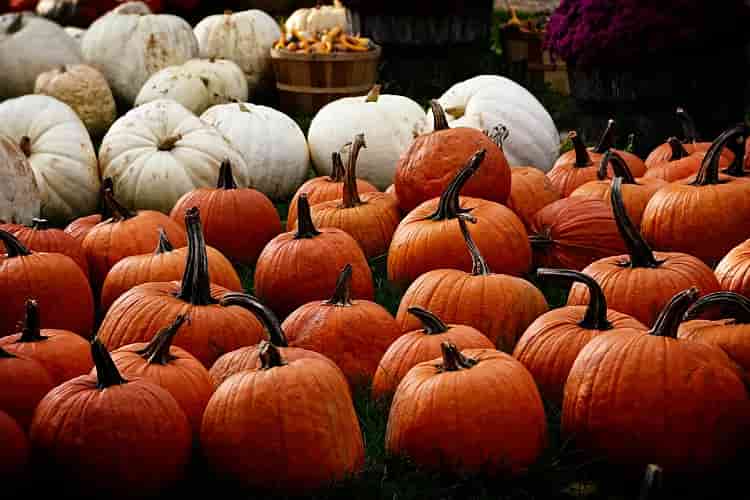
Perhaps the most visible sign of this agricultural crisis will be felt in the lead-up to Halloween. Pumpkins, a seasonal staple, have faced mass crop failures across England, with many farmers reporting dismal yields.
The combination of relentless rains, waterlogged fields, and unseasonably cool temperatures has made pumpkin farming a losing battle this year.
Consumers may struggle to find pumpkins in stores, and those that are available could come at a much higher price. For Halloween enthusiasts, this could mean fewer jack-o’-lanterns and a different kind of celebration.
Government Response and Future Outlook
As England reels from the worst harvest in decades, the government faces increasing pressure to act. Steve Reed, the Environment Secretary, has repeatedly stated that the Labour government will “back British farming” and improve food security.
“Farming and food security are the foundations of our economy, our communities, and indeed our environment,” Reed told parliament this week.
However, the government’s response has been criticized as insufficient given the scale of the crisis.
Farmers and agricultural experts are calling for greater investment in sustainable farming practices, alongside immediate financial support to help struggling farmers survive this year’s losses.
Tom Bradshaw of the NFU has been particularly vocal, calling for a clear food security strategy that addresses the growing threat of climate change.
He warned that without a comprehensive plan, England’s agricultural sector could face even greater challenges in the years ahead.
With record-breaking rainfall continuing into the 2024 winter season, farmers are bracing for another difficult year.
Floods have already affected regions in southern, central, and eastern England, raising fears that next year’s harvest could be just as bad, if not worse. For many in the agricultural community, the need for urgent action is clear.
As the UK prepares for the October budget, all eyes are on the government to see whether it will prioritize food security and the long-term resilience of the farming sector.
The stakes are high, and the consequences of inaction could be disastrous for both farmers and consumers.