



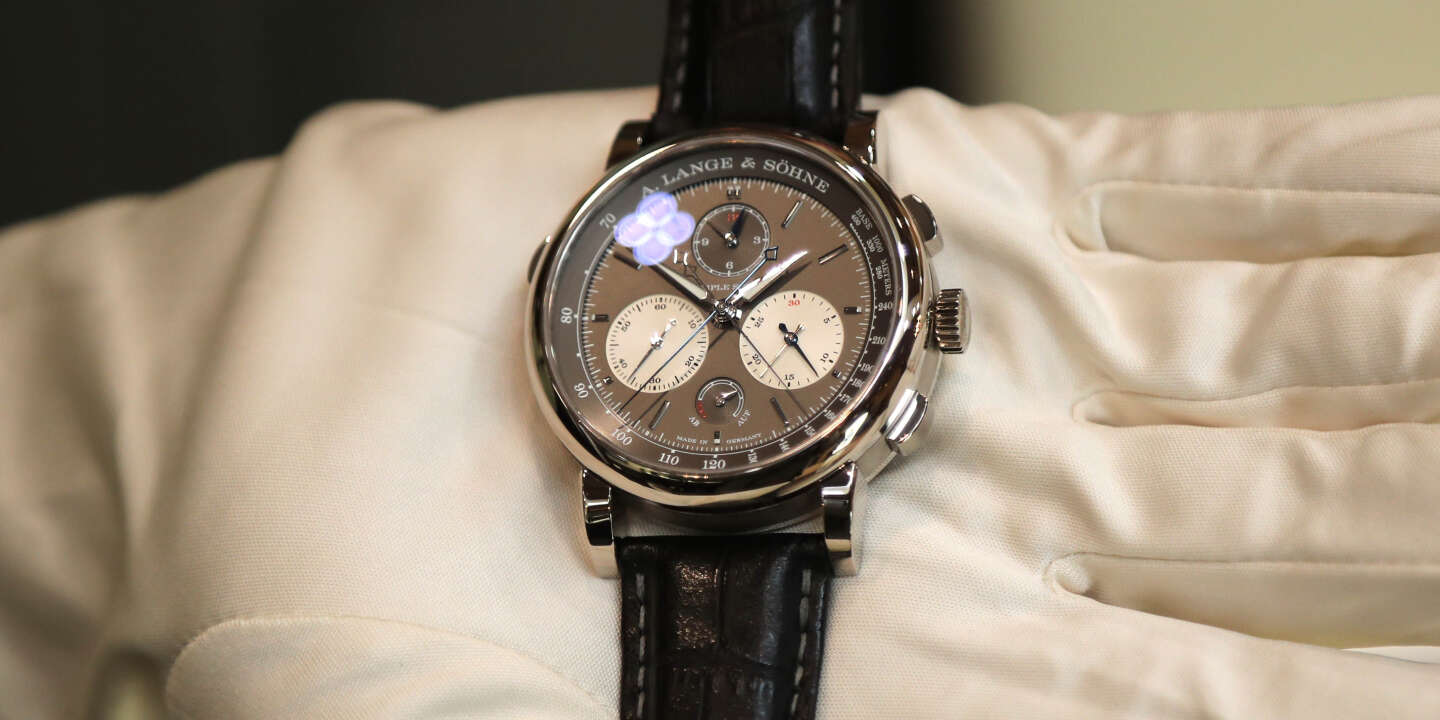

Elaborate scheme reveals lucrative trade in counterfeit luxury watches, with accused admitting to multi-million euro operation.
The trial of Julien V., dubbed the “Prince of Fake,” has captivated attention in a courtroom drama that sheds light on the underbelly of luxury counterfeit commerce.
Accused of orchestrating a sophisticated network peddling counterfeit luxury watches, particularly Rolex, Julien V. stands at the centre of an intricate web spanning continents.
The proceedings have unveiled a meticulously orchestrated operation, with Julien V. openly confessing to orchestrating the sale of thousands of counterfeit timepieces from Thailand to France between 2019 and 2022.
Operating with impunity, Julien V. coordinated with contractors in China to produce up to ten fake watches per day, raking in a staggering turnover of €3 million.
What distinguishes this operation is its brazenness and attention to detail. Julien V. boasted of offering replicas virtually indistinguishable from authentic Rolex watches, catering to the desires of customers seeking the allure of luxury at a fraction of the price.
With prices ranging from 500 to 60,000 euros, Julien V. crafted a range of offerings, from basic replicas to custom-made timepieces using genuine parts.
However, behind the facade of luxury lies a web of deceit and exploitation. While Julien V. amassed wealth and luxury, his operation attracted the ire of Swiss watchmakers, who initiated investigations to thwart the proliferation of counterfeit goods tarnishing their brands.
The trial has brought to light the extent of Julien V.’s enterprise, with investigators unraveling the intricacies of his supply chain.
Operating under the guise of a legitimate business, Julien V. accepted orders via WhatsApp, evading scrutiny by shipping watches through Germany before entering France through porous borders.
Yet, amidst the spectacle of the trial, questions of morality and culpability emerge. Julien V., once a humble pizza delivery man from Nice, amassed millions by preying on the desires of consumers seeking luxury at a discount.
His co-defendants, including reseller Florian R., reflect the moral ambiguity of their involvement, profiting from the sale of fakes while maintaining a veneer of honesty.
As the trial nears its conclusion, the verdict looms large, poised to deliver justice and accountability.
With Swiss luxury watchmakers seeking compensation for the damage wrought upon their brands, the outcome of the trial holds significant implications for the fight against counterfeit goods and the protection of intellectual property.
The tale of Julien V., the self-proclaimed “Prince of Fake,” serves as a cautionary reminder of the allure and perils of the counterfeit trade.
Beyond the glitz and glamour of luxury replicas lies a web of deception and exploitation, leaving a trail of victims in its wake. As the gavel falls on March 20th, the world watches with bated breath, awaiting the verdict in this gripping saga of fraud and deception.
This article was created using automation technology and was thoroughly edited and fact-checked by one of our editorial staff members