



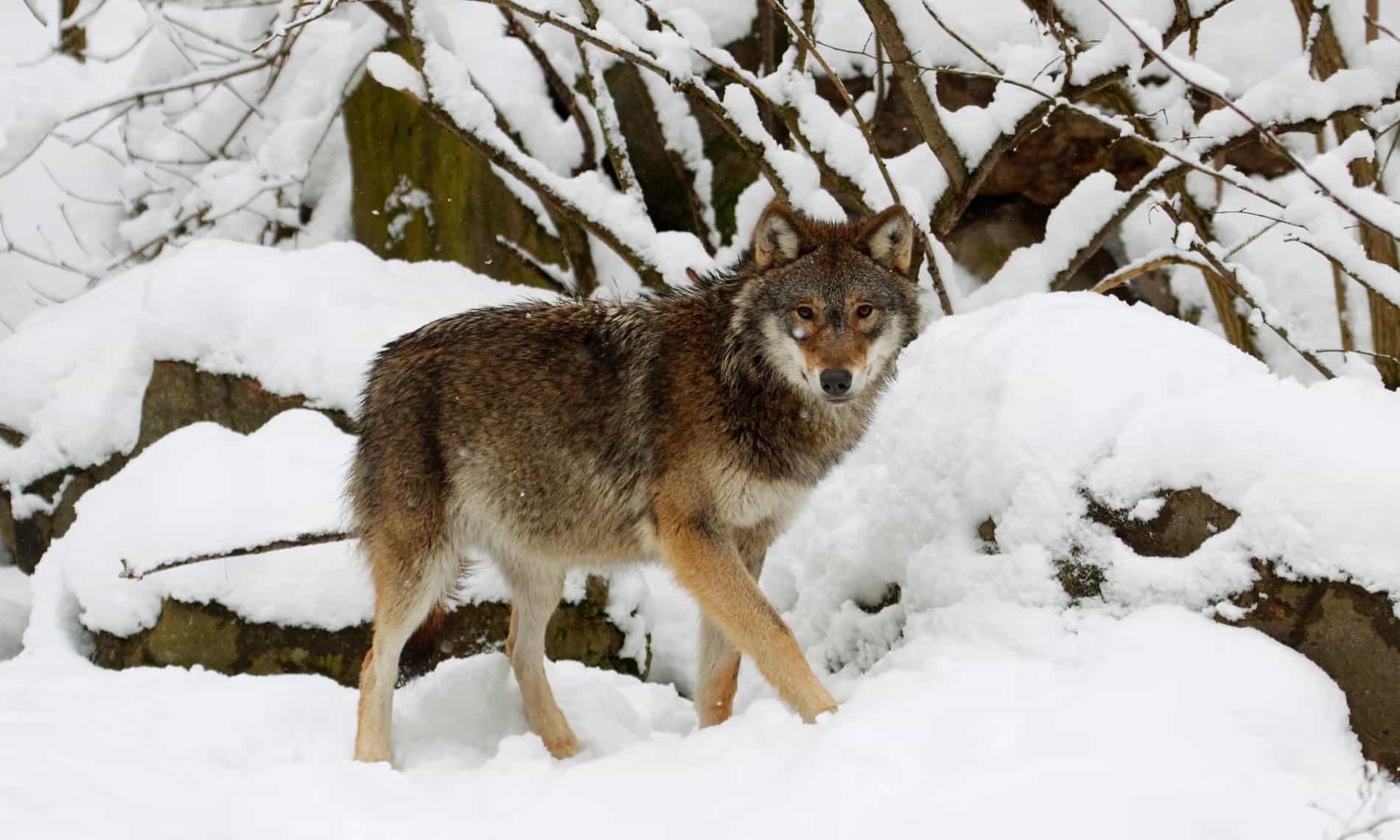

Sweden’s controversial wolf hunt is set to begin on Thursday, with the Swedish government aiming to reduce the country’s wolf population by half, a decision that has sparked fierce opposition from environmental groups and raised concerns about the species’ long-term survival.
The government has authorized the culling of five entire wolf families, amounting to 30 wolves, in an effort to reach a new population target of 170 wolves.
The decision follows a significant decline in Sweden’s wolf numbers, with the population dropping by almost 20% between 2022 and 2023. The current count stands at 375 wolves, a decrease attributed to increased hunting pressure.
Under the Berne Convention, which is designed to protect endangered species in Europe, it is illegal to reduce the population of a protected species to an unsustainable level.
Critics argue that Sweden’s plan violates these international conservation laws, pointing out that the wolf is already classified as endangered on the International Union for Conservation of Nature (IUCN) Red List.
The Swedish government’s decision to reduce the minimum population to 170 wolves, from the current 300, has drawn widespread condemnation from environmentalists.
“By slashing the wolf population, Sweden is risking the future of a species that has historically faced near extinction in the country,” said Magnus Orrebrant, chair of the Swedish Carnivore Association.
The wolf population in Sweden was decimated by overhunting, with no breeding wolves in the country from 1966 until 1983, when the species was reintroduced.
Environmentalists fear that halving the population will push the wolves toward extinction once again, with the added complication of Sweden’s legal battles with the European Union.
The Swedish government has faced ongoing infringement procedures from the EU, which has accused Sweden of violating EU laws by allowing annual licensed hunts despite the wolf’s protected status.
Léa Badoz, wildlife programme officer at Eurogroup for Animals, emphasized that the solution to the perceived conflict between farmers and wolves lies in non-lethal measures, such as the use of electric fencing to protect livestock from predation.
“Downgrading protection will not solve the challenges of coexistence,” she said, “nor will it help farmers in the long term.”
This move is part of a broader European trend, with the European Commission considering changes to the Habitats Directive that would make it easier for member states to reduce wolf populations.
The EU recently voted to change the status of wolves from “strictly protected” to “protected,” a decision that will come into effect on March 7, 2025.
This revision aims to address the growing wolf populations in alpine and forested regions, particularly in Scandinavia and central Europe, where farmers argue that wolves are a threat to livestock such as sheep.
The Swedish government’s decision to pursue aggressive wolf population control has created a rift between conservationists and those advocating for the rights of farmers.
While the government defends the hunt as a necessary measure to ensure a “favorable conservation status” for the species, critics remain steadfast in their opposition, arguing that it sets a dangerous precedent for wildlife protection in Europe.
As Sweden moves forward with its controversial wolf hunt, the debate over the future of the species continues to divide public opinion and raise questions about the balance between conservation efforts and agricultural interests.
The outcome of this decision will likely have lasting implications for the future of wolves in Sweden and across Europe.