



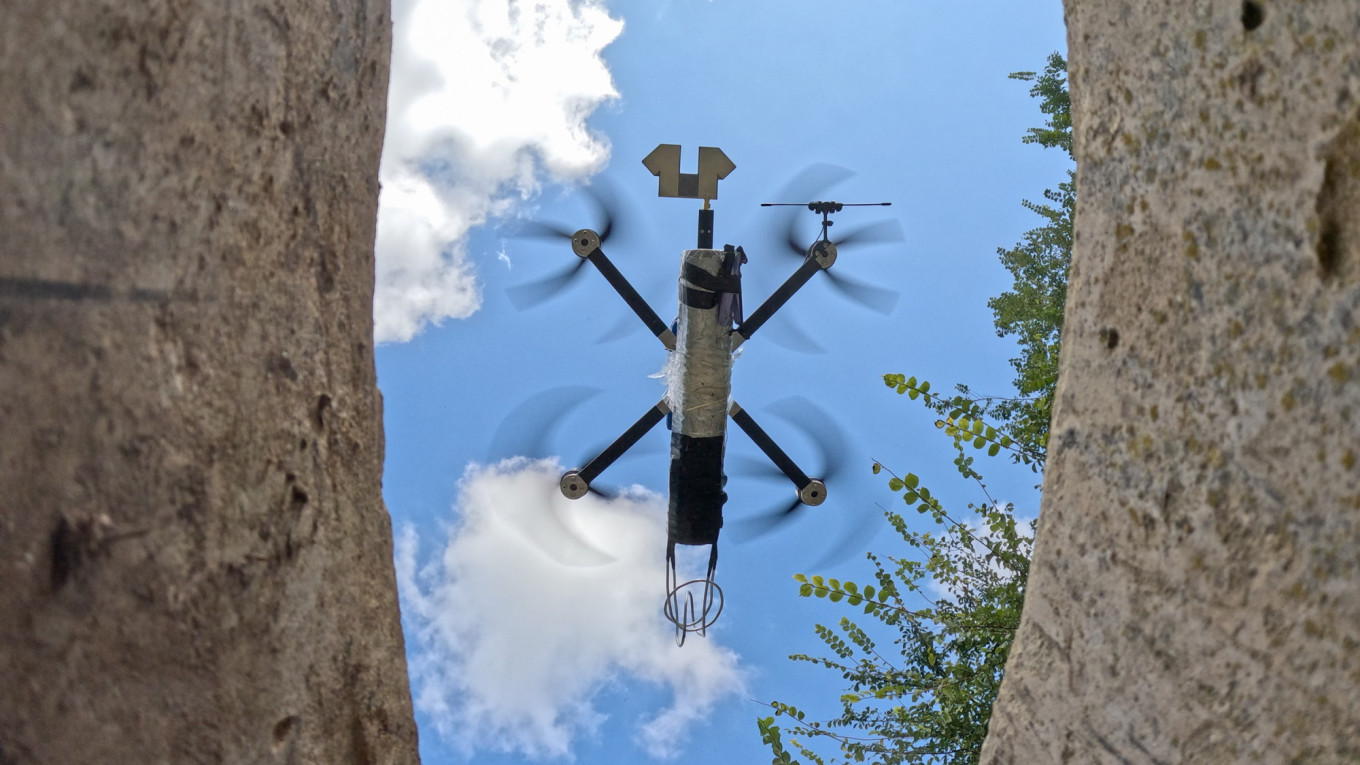

In a significant escalation of the ongoing conflict, Russia’s defense ministry reported on Sunday that its forces successfully shot down 51 Ukrainian drones across several regions, including areas near the Ukrainian border.
This development underscores the heightened tensions as both sides continue to engage in drone warfare, with implications for the broader military strategy in the region.
According to the defense ministry’s statement on Telegram, a substantial number of the intercepted drones—18 in total—were downed in the Tambov region, located approximately 400 kilometers (250 miles) from the Ukrainian border.
Additionally, 16 drones were shot down near Belgorod, a border town that has been increasingly impacted by cross-border attacks.
The Russian military also reported intercepting drones in other regions, including Oryol, Bryansk, Lipetsk, and Voronezh.
Notably, one drone was downed in the Kursk region, where Ukrainian troops have been actively conducting a ground offensive since August, managing to gain control over several hundred square kilometers of Russian territory.
This highlights the ongoing efforts by Ukraine to assert its military capabilities amid the conflict.
Moscow’s assertion of intercepting Ukrainian drones comes as part of its broader strategy to counteract what it describes as increasing drone attacks targeting its infrastructure.
The defense ministry has consistently announced the destruction of Ukrainian drones, framing these interceptions as crucial to national security.
However, the frequency of these reports raises questions about the efficacy of Russia’s air defense systems and the potential for further escalations in military engagements.
On the Ukrainian side, officials in Kyiv have claimed that their drone strikes are a direct response to Russian bombardments of Ukrainian territory, particularly targeting energy infrastructure that has been crucial for sustaining civilian life.
This tit-for-tat strategy illustrates the cyclical nature of the conflict, where each side retaliates with increased vigor, further entrenching the standoff.
In recent months, Ukraine has intensified its drone operations, reportedly employing a variety of unmanned aerial vehicles to conduct surveillance, reconnaissance, and attacks on Russian military assets.
The drone warfare strategy has been particularly effective for Ukraine, allowing it to strike deeper into Russian-held territories while minimizing direct confrontation with conventional forces.
As both sides continue to adapt their military strategies, the situation remains fluid. The increased frequency of drone engagements is likely to lead to a rise in military activity along the border regions, raising concerns over the potential for civilian casualties and further humanitarian crises.
International observers are closely monitoring these developments, as the drone strikes not only affect the immediate regions involved but also have broader implications for regional stability and international security.
The ongoing conflict has already led to significant geopolitical ramifications, with various nations reevaluating their positions and alliances in light of the unfolding crisis.
With the military dynamics shifting rapidly, the need for diplomatic solutions becomes ever more pressing. However, with each side demonstrating a willingness to escalate their military capabilities, the prospects for a peaceful resolution remain uncertain.
As Russia continues to report daily interceptions of Ukrainian drones, the world watches closely, awaiting the next developments in this protracted and complex conflict.