



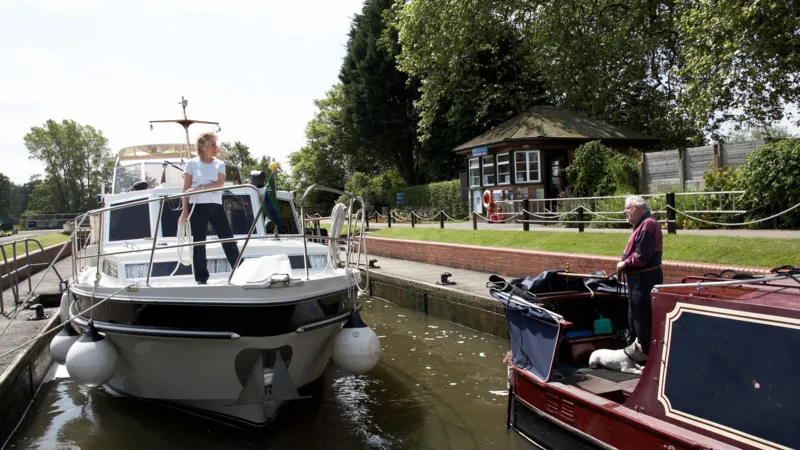

Lock keepers stationed along the River Thames have voted in favour of strike action amid mounting concerns over staff shortages and safety risks, their union has announced. The GMB Union, which represents the workers, revealed that 90% of members supported strike action, with an overwhelming 98% turnout in the ballot.
The dispute centres around what the union describes as “dangerously low” staffing levels. According to GMB, only 52 trained staff are currently employed by the Environment Agency (EA) to manage the locks and weirs stretching across the river—well below the 90 workers the union deems necessary during the peak boating season.
Kevin Brandstatter, GMB national officer, said the lock keepers are dedicated professionals who take great pride in their role on one of the UK’s busiest waterways. However, he said their concerns have been ignored for too long.
“Our River Thames weir and lock keepers are passionate, dedicated workers. They live and work with river users and don’t want to go on strike,” Brandstatter stated. “But there are only 52 staff doing the work of 90—it’s just not safe. Enough is enough.”
He added that staff had consistently gone “above and beyond” to maintain safety on the river despite increasing pressures. “They have the support of boaters, river users, those who live on and by the river, and hikers. They now feel withdrawing their labour is the only way to get their message across to the Environment Agency.”
Lock keepers are responsible for operating locks, monitoring river conditions, and ensuring the safety of thousands of boaters, especially during the busy summer season. The GMB argues that understaffing could result in delayed lock operations, increased risk of accidents, and insufficient responses to emergencies.
In response, the Environment Agency expressed disappointment at the decision to strike but said it would take steps to ensure continued operations along the river.
“It is disappointing that our lock keepers have chosen to strike,” an EA spokesperson said. “We have been working with the lock keepers over the last few months to try and avoid such action being taken.”
The agency maintained that it had not proposed any job or service cuts and reiterated its commitment to modernising river management services in consultation with staff. “We will ensure our locks and weirs continue to function over any strike period,” the spokesperson added.
The strike could pose significant challenges for river users and those who rely on the Thames for recreation, tourism, and navigation. Peak season typically sees a surge in boating traffic, with many vessels depending on the timely operation of locks to navigate the waterway safely.
No date has yet been announced for when the strike action will commence, but the GMB said it remains open to discussions with the Environment Agency. Unless a resolution is reached, the River Thames could face operational disruptions in the coming weeks.
The union is urging the Environment Agency to address the staffing shortfall before it leads to further consequences on the river and risks the safety of both staff and the public.