



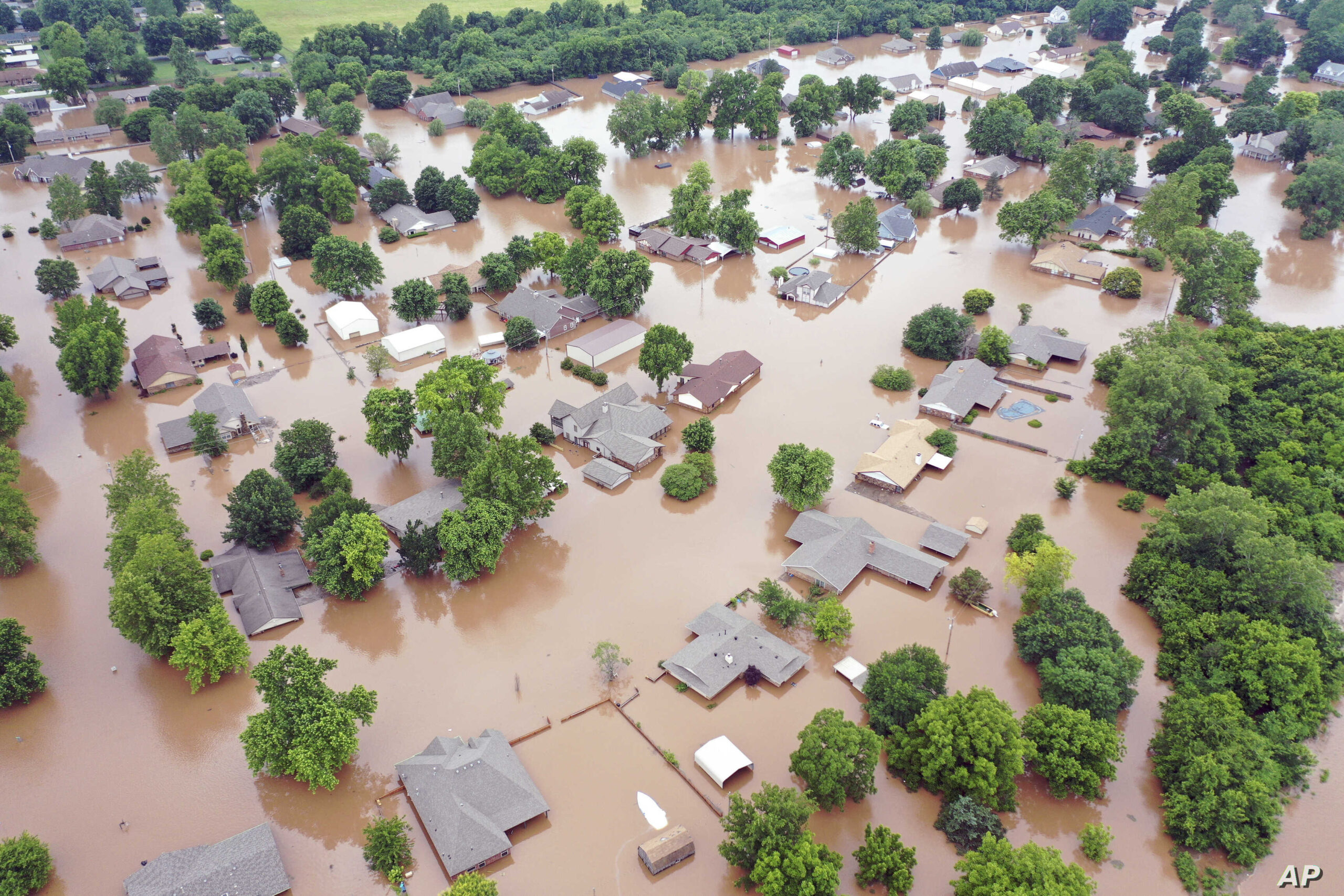

Up to 50 times a year, the North Sea floods the small, flat German island of Nordstrandischmoor where Ruth Hartwig-Kruse resides with her children and grandchildren. In a phenomenon called ‘land below’, the island disappears almost completely under the sea. At the summit of these floods, all four man-made mounds with farmhouses and stables can be seen. There, the island’s 25 inhabitants and their sheep hide and wait until the water disappears.
Hartwig-Kruse’s family has lived with ‘land below’ since her first recorded ancestor arrived at Nordstrandischmoor in 1717. The island is one of the 10 Halligen – unique islands at sea level on the northern North Coast of Germany. They are usually not protected by dikes, which are especially exposed to flooding in winter. The largest two, Langeness and Hooge, house about 100 people; the smallest, Gröde, to only 10.
In the past, severe storm surges have split or even drowned the entire Halligen. But the frequent floods also bring sediment that helps the land grow, and feed salt marshes where birds and plants thrive. For some bird species, the islands are home to more than half of Germany’s nest population.
Now the Halligen face their greatest threat yet: climate change and the rising sea levels that accompany it.
The German coastal state of Schleswig-Holstein, which includes the Halligen, is spending millions of euros to enlarge the hills on which the islanders live, preparing them for a sea level rise of up to 1 meter at 3,300. It is also funding research into a measure that may seem counter-intuitive: flooding the islands even more, adding low sediment and helping to grow along with the sea.