



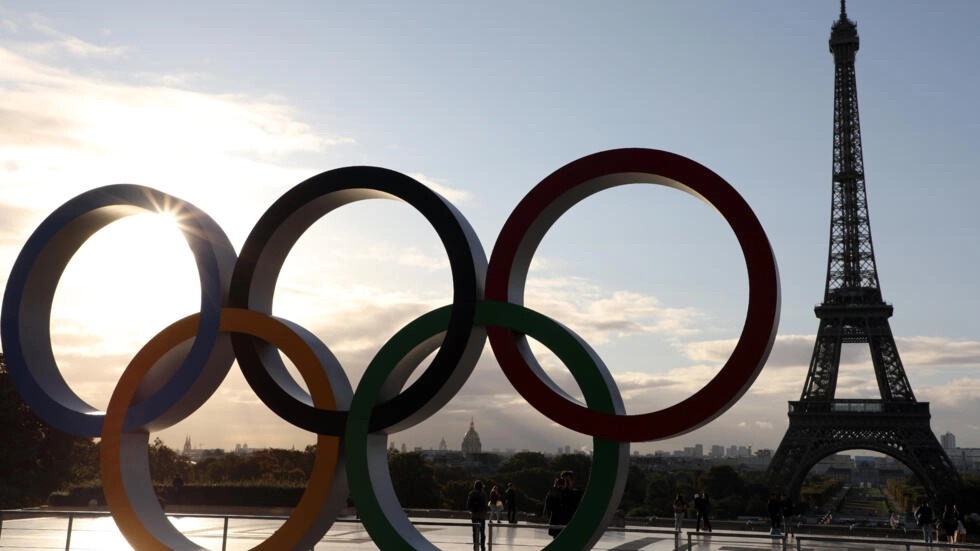

Paris, France — In a symbolic clash between tradition and globalization, the lower house of the French parliament passed a resolution on Thursday urging participants of the upcoming 2024 Paris Games to prioritize the use of the French language.
The move reflects growing concerns among lawmakers about the perceived erosion of French cultural identity in the face of English dominance, particularly in international events like the Olympics.
Spearheaded by conservative lawmaker Annie Genevard, the resolution underscores a deep-seated anxiety among some French officials regarding the encroachment of English in various spheres of French life.
Genevard lamented the use of English slogans in past French campaigns and even cited examples such as the French rugby team’s decision to emblazon “Rugby World Cup” on their jerseys instead of the French equivalent during a recent competition.
“The Olympic Games reflect the loss of influence of our language,” Genevard told fellow MPs during the parliamentary session. “The fight for the French language is never finished, even in the most official spheres.”
The resolution comes against the backdrop of longstanding efforts by French authorities to protect and promote the French language both domestically and internationally.
The 1994 Toubon Law, for instance, mandates the use of French in advertising, product labeling, and public announcements while also requiring radio stations to reserve a minimum of 40 percent airtime for French-language songs.
However, despite such measures, the pervasive influence of English continues to challenge the dominance of French, particularly in the realm of global sports events.
Culture Minister Rachida Dati acknowledged this reality, noting that many sporting events opt for English in their communication, titles, slogans, and advertising.
While Thursday’s resolution is non-binding, its passage underscores the ongoing debate within French society over language preservation and cultural identity.
The resolution’s support from ruling centrists and right-wing factions, but opposition from the left, highlight the divisive nature of the issue.
As preparations for the Paris Games intensify, concerns over language have already sparked controversy. Rumors surrounding Franco-Malian R&B star Aya Nakamura’s participation in the opening ceremony ignited a debate over language and cultural representation.
Nakamura’s fusion of French, Arabic, and West African dialects in her music drew criticism from some quarters, with accusations of “vulgarity” and language mangling leveled against her.
The historic dominance of English at the Olympics adds another layer to the language debate. Despite being conceived by French aristocrat Pierre de Coubertin in the late 19th century, French officials now find themselves grappling with the predominance of English within the Olympic movement.
While French remains one of the official languages of the International Olympic Committee, English has become the de facto lingua franca, reflecting broader global linguistic trends.
At the heart of the language battle lies a tension between preserving cultural heritage and embracing the realities of a globalized world.
As the countdown to the 2024 Paris Olympics continues, the resolution passed by French lawmakers serves as a reminder of the complex interplay between language, identity, and international cooperation in the modern era.
This article was created using automation and was thoroughly edited and fact-checked by one of our editorial staff members