



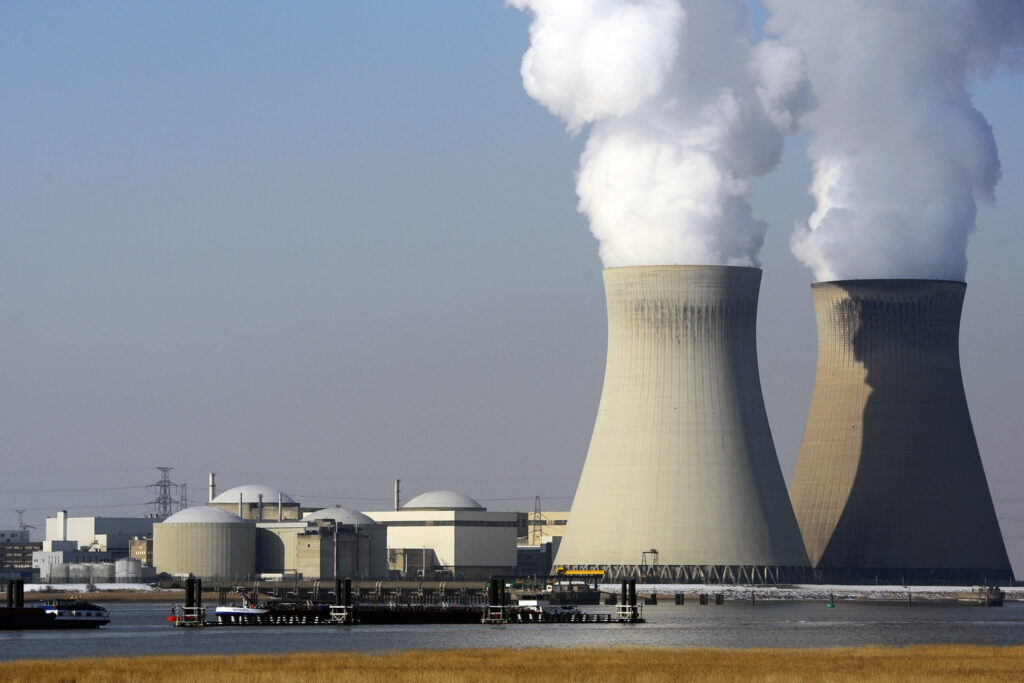

In a significant development for Belgium’s energy landscape, an inspection has uncovered damage to the outer casing of the Doel 4 nuclear reactor, as reported by Le Soir and confirmed by the reactor’s operator, Engie.
This discovery has prompted a delay in the reactor’s anticipated return to service, previously scheduled for later this month.
The Doel 4 reactor, located near the town of Doel in Flanders, was originally set to be decommissioned in 2025.
However, in a move to bolster the country’s energy supply amid ongoing energy crises, the Belgian government made the decision last year to extend its operation until 2035, along with that of the Tihange 3 reactor.
Inspections were carried out as part of this extension to ensure the safety and reliability of the facilities.
During the latest inspection, which was part of routine safety checks associated with the reactor’s extended operation, inspectors identified damage to the reinforcement of the concrete that makes up the outer casing of the reactor.
Engie spokeswoman Hellen Smeets stated that further investigation will be necessary to assess the extent of the damage and its implications for the reactor’s operational integrity.
As a consequence of the inspection findings, the Doel 4 reactor will remain out of service longer than previously planned. The reactor was initially scheduled to resume generating electricity on October 23, but this date has now been pushed back to November 30, 2024.
This delay underscores ongoing concerns regarding the reliability of Belgium’s nuclear infrastructure as the country seeks to navigate a complex energy landscape characterized by fluctuating energy demands and environmental considerations.
The impact of the reactor’s prolonged downtime is significant, particularly in light of Belgium’s reliance on nuclear power for its electricity supply.
The Doel and Tihange plants collectively account for a substantial portion of the nation’s energy mix.
With ongoing geopolitical tensions affecting global energy markets, the ability to maintain a stable and secure energy supply is of paramount importance for the Belgian government and its citizens.
The discovery of damage to the Doel 4 reactor highlights the challenges facing aging nuclear infrastructure in Belgium and beyond.
As the nation moves toward a more sustainable energy future, ensuring the safety and efficiency of existing nuclear plants will be critical.
The government’s decision to extend the operational lifespan of Doel 4 and Tihange 3 reflects a commitment to leveraging nuclear energy in the transition to greener alternatives while addressing immediate energy needs.
In the wake of this incident, regulatory bodies and energy experts are likely to scrutinize the safety protocols and maintenance practices at nuclear facilities across the country.
As Belgium works to balance its energy strategy with safety and environmental responsibilities, the situation at Doel 4 serves as a reminder of the complexities involved in managing nuclear energy.
As investigations continue, stakeholders in the energy sector are urging transparency and prompt communication regarding any further developments related to the Doel 4 reactor.
The outcomes of these inspections and the necessary repairs will be crucial in determining the future role of nuclear energy in Belgium’s energy portfolio as the country strives for energy independence and sustainability.