




In a dramatic escalation of tensions, Germany has pointed fingers squarely at Russia, alleging its involvement in a series of cyberattacks targeting German political entities and institutions.
The accusations come amidst a backdrop of simmering distrust between the two nations, echoing broader concerns about cyber warfare and international security.
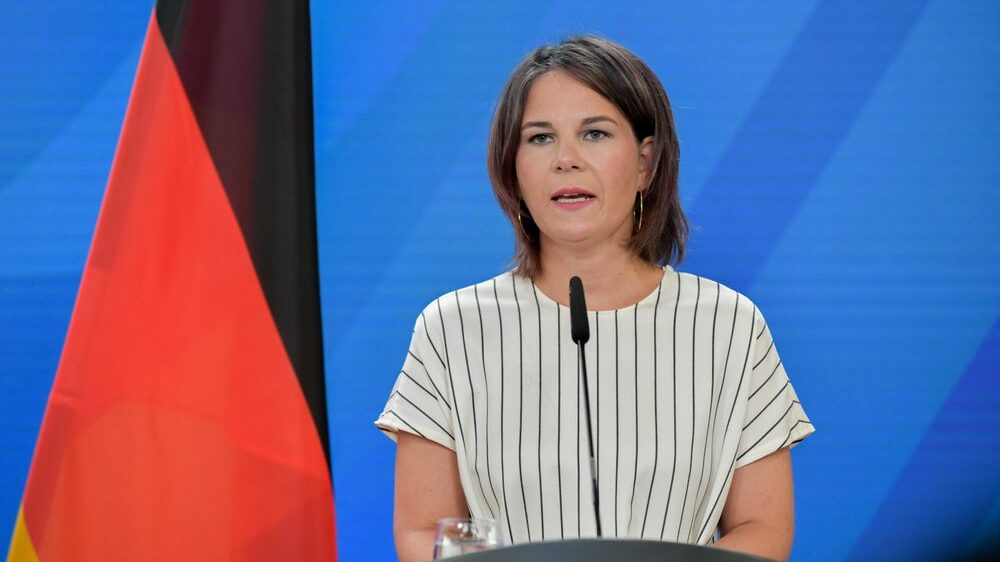
The German government, led by Foreign Minister Annalena Baerbock, unequivocally attributed the cyber intrusions to a group identified as APT28, also known as Fancy Bear or Pawn Storm, allegedly operating under the auspices of Russia’s military intelligence service, the GRU.
The primary target of these attacks was reported to be the Social Democratic Party (SPD), with hackers exploiting vulnerabilities in Microsoft Outlook to compromise email accounts of party executives.
Baerbock minced no words, labeling the cyber incursions as “state-sponsored Russian attacks” and emphasizing their intolerability and unacceptability. She warned of consequences, hinting at potential diplomatic and possibly economic ramifications.
German Interior Minister Nancy Faeser further underscored the gravity of the situation, emphasizing the broader implications of such cyber aggression during a joint news conference with Czech Interior Minister Vit Rakusan.
Faeser stressed that these attacks posed a direct threat to democracy, national security, and free societies.
The Czech Republic, too, has found itself in the crosshairs of similar cyber assaults, with officials pointing fingers at APT28 for targeting state institutions.
This parallel accusation adds weight to Germany’s claims and paints a worrisome picture of coordinated cyber aggression emanating from Russia.
Amidst mounting pressure, the Russian Embassy in Germany swiftly rebuffed the allegations, categorically denying any involvement of Russian state structures in the cyberattacks.
The embassy’s statement labeled the accusations as “unsubstantiated and groundless,” further deepening the diplomatic standoff between Russia and Germany.
These developments underscore the growing threat posed by cyber warfare in an increasingly interconnected world.
State-sponsored actors’ use of sophisticated tactics to infiltrate foreign networks and undermine democratic processes raises alarms about the need for robust cybersecurity measures and international cooperation.
As tensions escalate, diplomatic channels between Germany and Russia are likely to face increased strain.
German authorities summoning the Russian envoy signals a willingness to confront Moscow over its alleged transgressions, setting the stage for potentially contentious diplomatic exchanges in the days to come.
The broader implications of these cyberattacks extend beyond bilateral relations, with implications for global security and stability.
The international community, therefore, must remain vigilant in countering such threats and upholding the principles of cybersecurity and sovereignty in the digital age.
In conclusion, Germany’s accusations against Russia mark a significant escalation in diplomatic tensions, with cyber warfare emerging as a potent tool for state-sponsored aggression.
The response of both nations in the coming days will shape not only their bilateral relations but also the broader landscape of international security in the digital era.
This article was created using automation and was thoroughly edited and fact-checked by one of our editorial staff members