



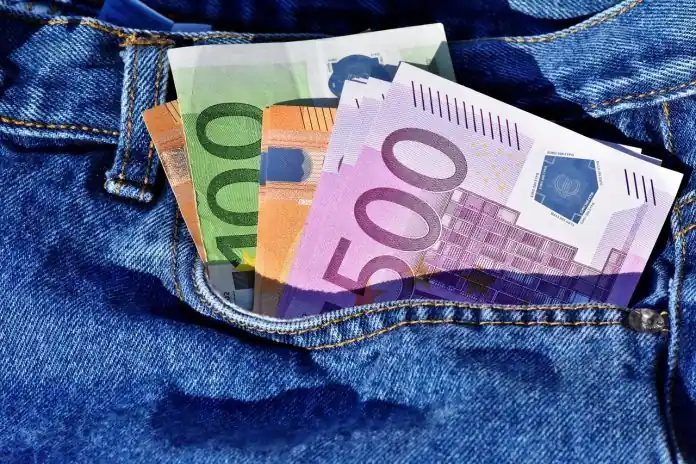

Since the escalation of Russia’s war in Ukraine, authorities at Estonia’s eastern border have reported an ongoing battle against the smuggling of banned goods, including euros, luxury products, and car spare parts.
The Police and Border Guard Board (PPA) revealed on Monday, January 27th, that the daily attempts to bypass sanctions and smuggle restricted goods into Russia remain a significant challenge.
However, full customs controls introduced last August are starting to show positive results, as the average number of violations has dropped by almost half.
Since the onset of Russia’s full-scale invasion of Ukraine, approximately 60% of goods crossing the border have been restricted under international sanctions.
To counter this, Estonia has imposed comprehensive customs inspections at all eastern border crossing points. These measures require every traveller to display the contents of their baggage to ensure that prohibited items do not make their way into Russia.
“There is demand, there is money in Russia, and everything possible is still being done to transport exclusive goods there,” said Voldemar Linno, Head of the Customs Control Department at Estonia’s Tax and Customs Administration.
The most frequently discovered items include car parts—ranging from high-end tyres to everyday motor oil SW30—both of which are restricted from entering Russia. Despite the sanctions, these products continue to be targeted by smugglers.
However, the most commonly smuggled items are euros. The PPA noted that 96% of all border violations involve the illegal transport of euros, with significant seizures of luxury goods such as wines, watches, and branded products valued at over 300 euros.
The ingenuity of some smugglers has been particularly striking. For example, one traveller was caught attempting to smuggle a single Prada sandal, valued at over 900 euros, glued to her body. Another attempt involved a woman hiding 6,000 euros in her underwear.
The demand for sanctioned goods in Russia remains high, despite the severe economic constraints imposed by international sanctions.
Marta Tuul of the Internal Security Service (ISS) emphasized the importance of these sanctions in pressuring Russian society, noting, “A wider change in Russian society will only come when life becomes difficult, which is why sanctions are important.”
Travellers caught attempting to smuggle prohibited goods are generally given the option to either return or leave the banned items behind, provided it is a first-time offence committed out of ignorance. However, those caught repeatedly or with intent to evade sanctions face legal prosecution.
The ISS has launched 12 cases this year alone, and last year, 71 cases were opened. Tuul highlighted the agency’s focus on preventing the transportation of goods that could be used for military purposes, explaining that the most concerning violations are those involving technology that could directly contribute to violence or warfare.
While the tightened border control measures have significantly reduced violations, statistics from Estonia’s National Statistics Bureau indicate a broader economic shift.
Trade between Estonia and Russia has seen a dramatic decline since the sanctions were introduced. In 2021, Estonia exported nearly 770 million euros worth of goods to Russia.
By the end of last year, this figure had plummeted by over 50%, with imports from Russia similarly dropping from over two billion euros annually to approximately 100 million euros.
The continued decline in trade and the success of the new border control measures signal that Estonia’s strategy to enforce sanctions is having an effect, though authorities remain vigilant in their efforts to curtail smuggling attempts and prevent the flow of prohibited goods into Russia.