



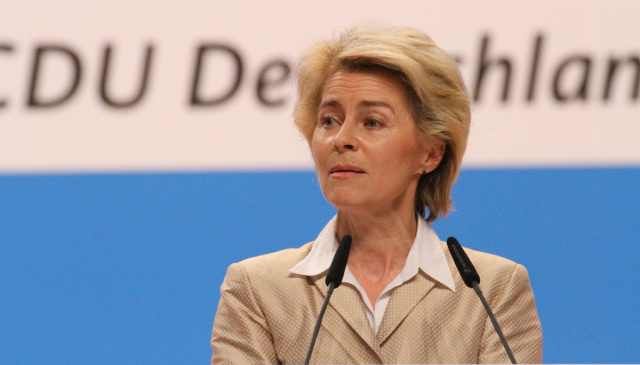

In a startling development, European prosecutors have launched an investigation into allegations of corruption surrounding the COVID-19 vaccine negotiations between European Commission President Ursula von der Leyen and Pfizer CEO Albert Bourla.
The case, dubbed “Pfizergate,” has sent shockwaves through the European political landscape and has raised serious questions about the integrity of vaccine procurement processes.
According to a report by Politico, the investigation was initiated in early 2023 after lobbyist Frederic Baldan raised concerns with Belgian authorities in Liège.
Baldan’s complaint focuses on purported text message exchanges between von der Leyen and Bourla leading up to the vaccine deal, suggesting potential impropriety in their communications.
The controversy has since widened, with Hungary joining the case and expressing concerns about von der Leyen’s involvement. Poland initially filed a complaint but later withdrew it under Donald Tusk’s administration.
Nonetheless, the investigation has gained momentum, with European prosecutors now examining allegations of interference in public functions, deletion of SMS messages, corruption, and conflict of interest, directly implicating von der Leyen.
At the heart of the matter is a significant vaccine deal struck between the European Commission and Pfizer during the height of the COVID-19 pandemic in 2021.
The deal, totaling 900 million doses with the potential for additional supply, was meant to secure much-needed vaccines for European citizens. However, the circumstances surrounding the negotiation process have come under intense scrutiny.
Despite calls from political opponents for transparency, von der Leyen has maintained that all necessary information has been exchanged, deflecting direct questions about missing text messages with Bourla.
Her steadfast defence has only intensified suspicions and fueled demands for a thorough investigation into the matter.
The European Prosecutor’s Office, which previously scrutinized EU vaccine procurement, is now specifically focused on Pfizergate, marking the first time such allegations have been directly linked to an investigation of this nature.
This signals a heightened level of scrutiny over potential misconduct in vaccine negotiations, reflecting the gravity of the situation.
The implications of Pfizergate are significant, not only for von der Leyen and Bourla but also for the European Union as a whole.
The integrity of vaccine procurement processes is crucial in ensuring public trust and confidence in the vaccination efforts aimed at combating the COVID-19 pandemic.
As the investigation unfolds, all eyes will be on European prosecutors to deliver a fair and thorough examination of the allegations.
The outcome of Pfizergate could have far-reaching consequences, shaping not only the future of vaccine procurement but also the credibility of European leadership in the eyes of its citizens.
In the meantime, calls for transparency and accountability continue to reverberate across Europe, underscoring the importance of upholding ethical standards in the pursuit of public health initiatives.
This article was created using automation and was thoroughly edited and fact-checked by one of our editorial staff members