



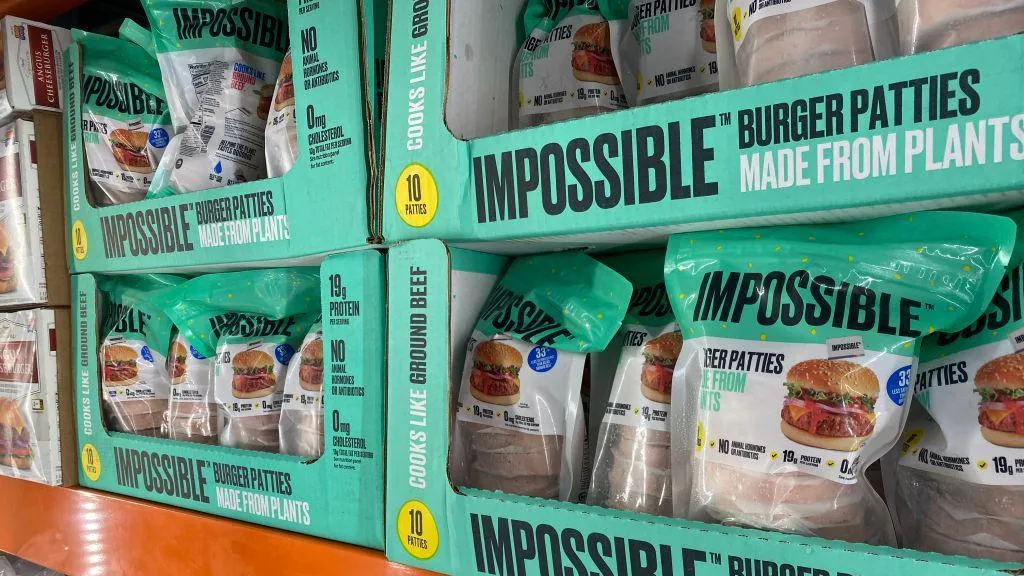

The European Parliament (EP) has voted to ban the use of meat-related terms such as “burger,” “steak,” and “sausage” to describe plant-based products — a move that has sharply divided lawmakers, farmers, and environmental advocates across Europe.
The proposal, approved by a 355-247 majority vote, is viewed as a victory for livestock farmers who have long argued that such labels are misleading and threaten their livelihoods. However, the ban is not yet law; it still requires approval from the European Commission and the governments of all 27 EU member states before coming into effect.
“Let’s call a spade a spade,” said French MEP Celine Imart, who spearheaded the initiative. “Marketing plant-based products using meat labels is misleading for the consumer,” she told AFP.
Imart, a member of the conservative European People’s Party (EPP), has been one of the most vocal supporters of the measure, describing it as a way to protect traditional food producers and preserve cultural culinary terms.
Under the proposed rules, words such as “egg yolk,” “egg white,” and “escalope” would also be limited to animal-based products. The EU has already enforced similar definitions for dairy products — meaning that “milk,” “yogurt,” and “cheese” can only come from animal milk. For instance, oat milk is already marketed as “oat drink” on European supermarket shelves.
The vote has triggered a wave of criticism from green and liberal lawmakers, who say the measure distracts from more pressing issues such as climate change. “While the world is burning, the EPP has nothing better to do than debate sausages and schnitzels,” said German Green MEP Anna Cavazzini, calling the proposal “useless and regressive.”
Environmentalists argue that restricting the use of familiar food terms could discourage consumers from choosing sustainable plant-based alternatives at a time when reducing meat consumption is considered vital for climate goals.
The plant-based food market has grown rapidly in Europe, particularly in Germany, which leads the continent in sales of meat alternatives. German supermarkets including Aldi and Lidl, fast-food giant Burger King, and sausage producer Rügenwalder Mühle have jointly opposed the proposal, saying it would make it harder for consumers to make informed choices.
In an open letter, they urged EU policymakers to reconsider, stating that “banning familiar terms does not protect consumers — it confuses them.”
Nevertheless, German Chancellor Friedrich Merz, whose party belongs to the EPP, has voiced firm support for the ban. “A sausage is a sausage. Sausage is not vegan,” he said recently. The French meat industry has also backed the move, viewing it as essential for safeguarding traditional food sectors.
A similar proposal was debated in 2020 but ultimately rejected. This time, however, the growing political backing from conservative groups suggests the measure could advance further in the EU legislative process.
Whether or not the ban becomes law, it highlights Europe’s deepening cultural and political divide over how to balance food tradition with sustainability and consumer transparency.