




The European Union requires an urgent investment of €70 billion to modernize its transport infrastructure and ensure the rapid movement of military personnel and equipment in the event of a conflict, according to EU Commissioner for Defence and Space Andrius Kubilius.
In an exclusive interview with Euronews, Kubilius emphasized the need to upgrade the bloc’s road, rail, sea, and air corridors to enhance defence readiness.
The European Commission has pinpointed 500 crucial infrastructure projects requiring immediate attention, including port and airport expansions, tunnel widenings, and reinforced railway bridges.
These improvements align with NATO’s strategic planning, ensuring that critical transport networks can accommodate the swift deployment of forces.
“We need to develop that infrastructure according to NATO planning. Then we need to see also the need to establish a very effective defence or protection of those strategically important infrastructure points, and in addition to that, we need to look into legal requirements,” said Kubilius, who previously served as Lithuania’s prime minister.
Bureaucratic and Infrastructure Barriers Hamper Military Mobility
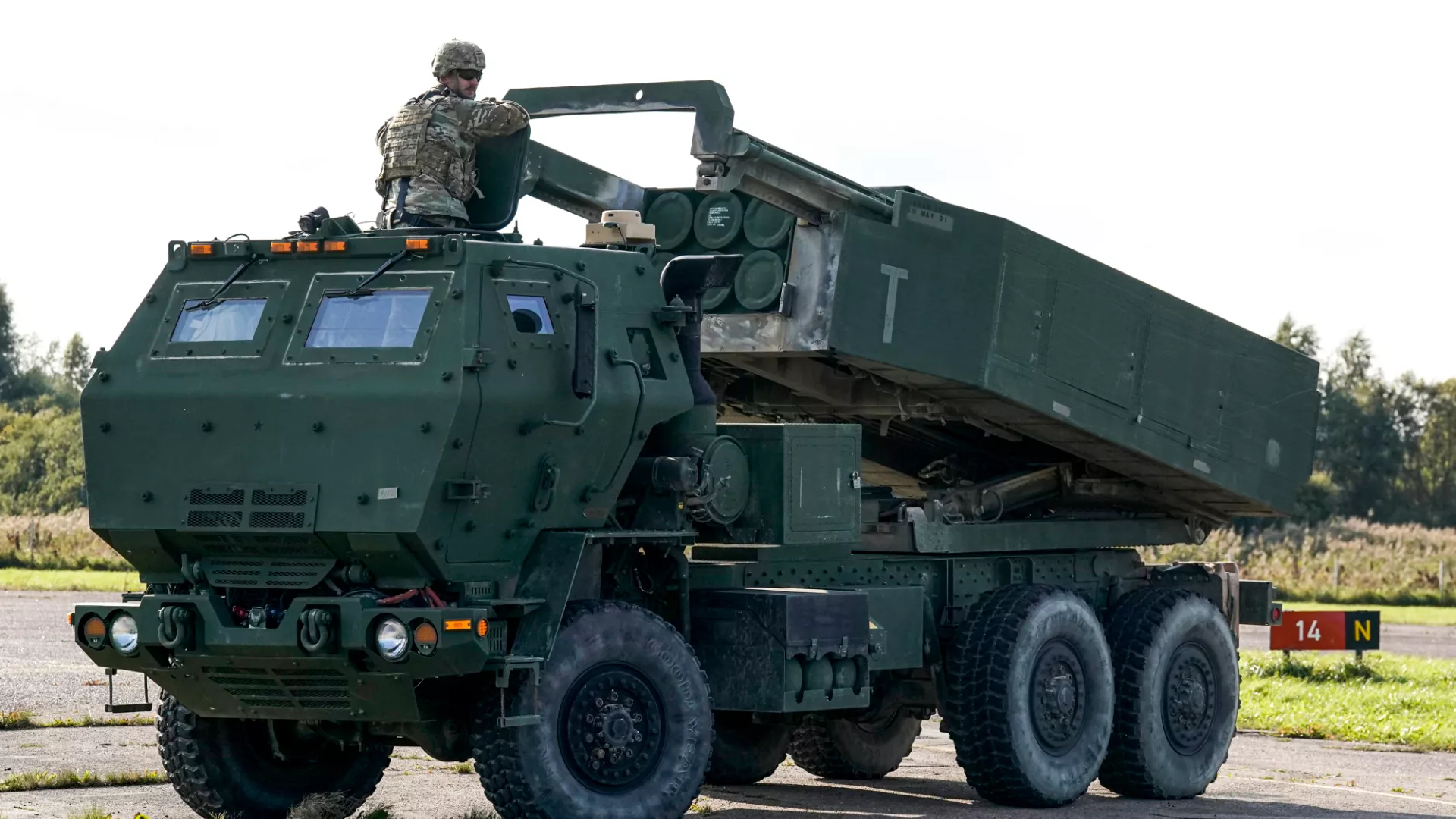
Military mobility extends beyond possessing troops and equipment; it necessitates the ability to deploy them efficiently.
However, bureaucratic hurdles, inconsistent regulations across member states, and inadequate transport infrastructure continue to impede rapid deployment.
A recent report by the EU’s financial watchdog highlighted that military convoys have faced restrictions due to weight limits on roads, demonstrating the urgency of regulatory harmonization.
The concept of a “military Schengen area,” allowing seamless troop movements across borders, has been under discussion for over a decade. The Russian invasion of Ukraine has reignited the debate, with European nations ramping up their defence capabilities.
“When the war comes, you need to have your industry developed on a high level in order to maintain, repair, and produce new weapons. And you also need to have such an industry not far away from a possible conflict zone,” Kubilius stated.
Funding Gaps and Potential Solutions
The EU’s military mobility budget remains modest compared to its needs, with 44% of allocated funds directed to Poland, Latvia, Lithuania, and Germany.
The current funding allocation for 2021-2027 is already exhausted following Russia’s aggression in Ukraine, creating a potential four-year gap before new financial support becomes available. European Court of Auditors President Tony Murphy has warned of a significant shortfall.
To bridge this gap, the European Commission is considering repurposing unspent EU cohesion and transport funds for defence infrastructure.
Kubilius confirmed that discussions are underway, stating, “We should look for all the possibilities (…) because the investment into the defence industry is also an investment in economic development. It’s the creation of new jobs.”
The EU’s top diplomat, Kaja Kallas, and Kubilius plan to review existing legislation on military mobility, upgrade critical transport infrastructure, and issue a joint communication on the matter later this year.
While the Commissioner did not commit to specific defence allocations under the next EU long-term budget (2028-2034), he emphasized the importance of joint procurement, European cooperation, and NATO-standard interoperability.
With rising geopolitical tensions and the need for a strong deterrence strategy, the EU faces mounting pressure to address these military mobility shortcomings.
Whether the bloc can secure the necessary funding and implement swift reforms will be crucial in determining its future defence capabilities.
This article was created using automation technology and was thoroughly edited and fact-checked by one of our editorial staff members