



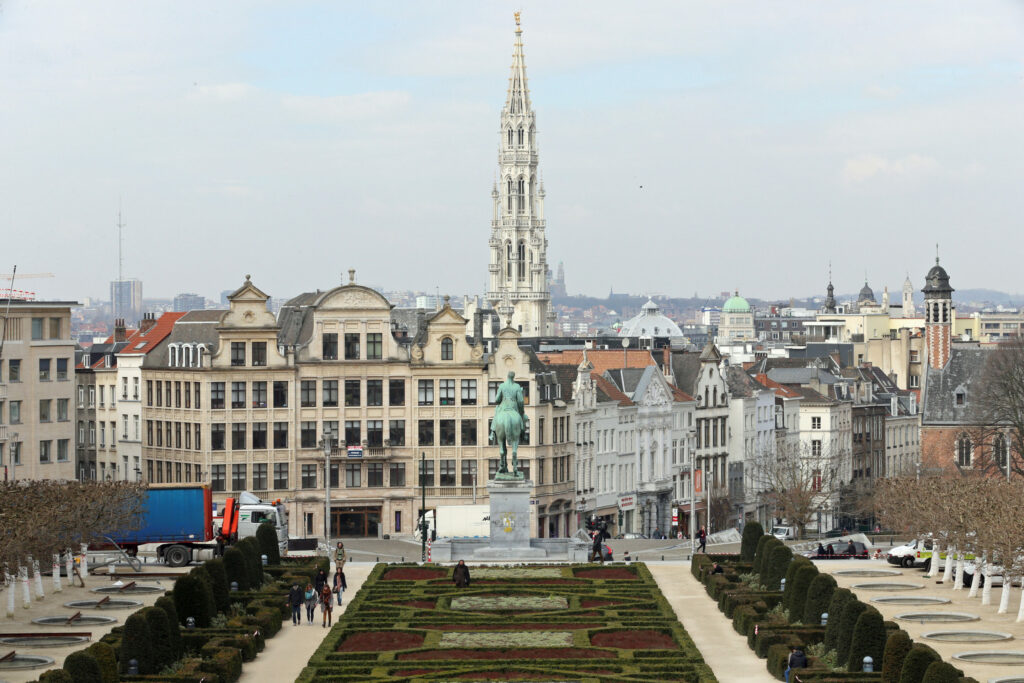

Brussels, once a regular in the top 50 cities worldwide, has seen a significant decline in the latest rankings compiled by Resonance Consulting.
The Belgian capital now ranks 56th in the 2024 edition of the “World’s Best Cities” report, dropping 19 positions from last year’s spot at number 37.
The report, which is produced in collaboration with Ipsos, assesses cities across three major criteria: Liveability, Lovability, and Prosperity.
Brussels’ fall from grace marks a shift in the city’s fortunes, with the capital now trailing behind North American cities such as Dallas, Calgary, and Austin.
In contrast, London, New York, and Paris claimed the top three spots, reinforcing their status as global cultural and economic hubs.
Despite the drop in overall ranking, the report highlights several positives for Brussels. The city continues to be recognized for its excellent transportation system, including its strong airport connectivity, where it ranks 13th globally.
The city’s historic landmarks, such as the iconic Grand Place, also remain a key attraction, with the square celebrated as a “testament to the architectural prowess of the city.”
Additionally, Brussels’ efforts to revitalize certain areas, including the repurposing of Gare Maritime into a bustling food market and the transformation of the Grand Hospice into a public park, were commended by the report’s authors.
Resonance Consulting’s rankings focus on the combination of a city’s livability, its ability to foster cultural experiences, and its economic vitality.
For Brussels, much of the city’s score in Liveability comes from its redevelopment efforts and green spaces, along with its international population, which contributes to the rich cultural landscape.
However, challenges remain, particularly in the areas of Prosperity and Lovability. The city’s ranking in Prosperity—measuring factors such as GDP, unemployment rates, and education—reflects broader economic issues that have impacted its position.
While it remains an important political and economic center in Europe, Brussels’ appeal to some visitors may be impacted by these concerns.
The Lovability score, which evaluates the diversity of cultural activities, dining options, and recreational experiences, highlights the city’s robust arts and cultural scenes.
However, Brussels’ reputation for attracting tourists may have been hindered by ongoing economic instability in Europe. Despite these challenges, Resonance Consulting’s report also draws attention to a broader global trend.
According to Ipsos’ Jason McGrath, the data signals that while cities worldwide faced setbacks during the pandemic, many are now on the path to recovery.
“Despite the news stories touting the decline of large cities since the start of the pandemic, economic and demographic data actually shows that many cities around the globe are rebounding,” McGrath explained, offering an optimistic outlook for urban centers globally.
As Brussels continues to focus on improving its infrastructure and enhancing its cultural offerings, the city remains an essential European destination, despite the recent drop in the rankings.
The challenge moving forward will be to balance economic stability with the need for innovation to maintain its competitive edge in the global city rankings.