



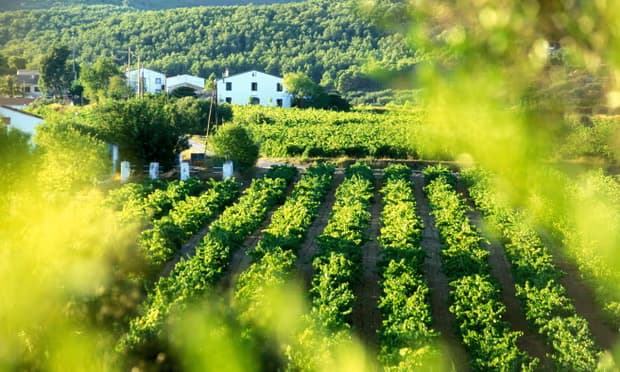

In response to Catalonia’s ongoing drought crisis severely impacting grape production, renowned cava producer Freixenet has announced plans to furlough a staggering 80% of its workers in the region.
With more than three years of drought plaguing the northeastern Spanish area, the iconic black glass bottles of sparkling wine may face a significant setback in production.
The decision, affecting up to 615 out of the 778 employees in Catalonia, comes as a strategic move by Freixenet to ensure operational continuity amidst dwindling grape supplies.
In a statement released this week, the company emphasized the measure’s necessity, attributing it to the relentless force majeure of the drought gripping the region since 2021.
Freixenet highlighted the exceptional nature of the furlough, which aims to navigate the crisis responsibly while safeguarding employability.
The company’s plan, subject to approval by the regional government and workers’ groups, underscores the fluidity of the situation, with adjustments contingent on seasonal variations and evolving circumstances.
Catalonia’s plight is emblematic of the broader climate emergency confronting Spain, with wildfires, agricultural disruptions, and water scarcity becoming increasingly pervasive.
Last year, the Spanish government allocated an unprecedented €2.2bn relief package to mitigate the drought’s impact on farmers and consumers, reflecting the severity of the crisis.
Teresa Ribera, the environment secretary, emphasized the country’s heightened vulnerability to climate change-induced phenomena, noting the escalating frequency and intensity of such events.
With agriculture accounting for a substantial 79% of water usage in Spain, the drought’s ripple effects are felt acutely across various sectors.
Catalonia’s regional government has declared a state of emergency in response to the dire water shortage, imposing stringent limits on water consumption affecting six million residents.
These restrictions include a cap of 200 liters per person per day, alongside prohibitions on non-essential water activities like beach showers and public events.
Furthermore, stipulations initially banning the filling of private and municipal freshwater pools have been partially relaxed, provided they serve as public “climate shelters.”
Such measures underscore the region’s urgent efforts to navigate the drought’s multifaceted challenges while balancing societal needs and environmental sustainability.
As Catalonia enters its fourth consecutive year of drought, the Freixenet furloughs underscore the economic toll of climate-induced disruptions on local industries.
With uncertainties looming over future grape yields and production capacities, stakeholders across the region grapple with the imperative to adapt to an increasingly unpredictable climate landscape.
In the face of adversity, Freixenet’s decision reflects a commitment to weathering the storm responsibly, albeit with profound implications for its workforce and the wider community.
As Catalonia braces for the long-term ramifications of prolonged drought, resilience and innovation emerge as critical pillars in navigating an uncertain future.
This article was created using automation and was thoroughly edited and fact-checked by one of our editorial staff members