




The international energy treaty that threatens Labour’s energy nationalisation plans might also risk undermining the EU’s green new deal, in keeping with Friends of the planet.
The environmental organisation is looking for components of the energy charter treaty (ECT) to be scrapped to stop fossil fuel firms from using the many-sided agreement to require governments to court over green policies.
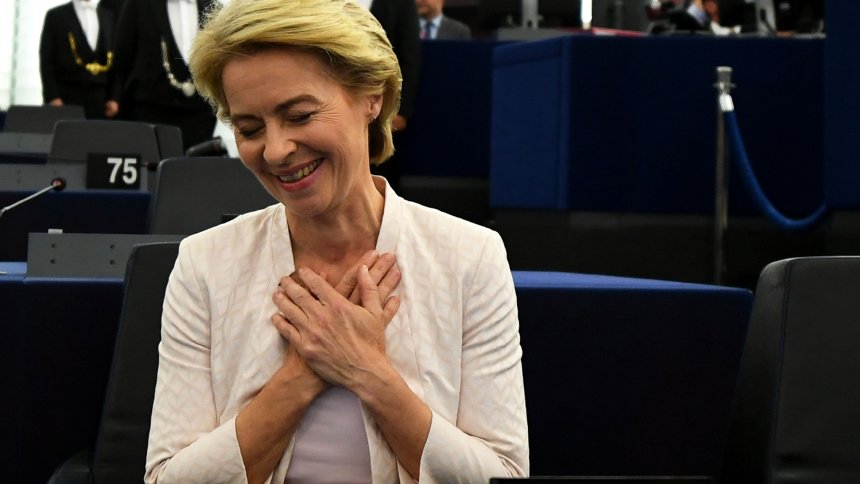
The cluster has warned that unless the ECT undergoes a basic overhaul in talks in the week, it risks undermining the eu green deal, which is to be unveiled on Wednesday by Ursula von der Leyen, the president of the ecu commission.
The ECT was created once the top of the conflict to safeguard western energy corporations as they began to invest in former Soviet states. However, energy corporations ar more and more mistreatment the accord to challenge governments’ new climate policies.
The ECT would additionally threaten a Labour government’s plans to nationalise giant components of the energy business that ar owned by foreign corporations lined by the accord. City lawyers have aforementioned Labour’s commit to pay a reduction to nationalise foreign-owned energy networks and therefore the huge six energy suppliers would run the danger of a legal battle in European tribunals.
Paul American state Clerck, the economic justice organiser at Friends of the world Europe, said the treaty was outdated and “a boon to dirty fossil fuel corporates”.
“As before long as folks hear concerning this obscure treaty undermining the general public interest and therefore the fight against temperature change, they’re going to be indignant. Either the EU and member states essentially revise it, or pull out,” he said.
Friends of the world Europe is one in every of 260 civil society outfits and unions that have warned before the ECT is incompatible with climate action as a result of it contains measures to protect energy investments even wherever they contradict climate goals.
The environmental teams say the accord is being employed by giant fuel corporations to to require national governments to court over choices to end dirty energy.
The German government became involved in a very legal battle with the Swedish utility company Vattenfall over Berlin’s call to halt atomic energy generation within the wake of the Fukushima disaster. The Dutch government might also be taken to court by the German fuel company Uniper if it moves ahead with plans to end coal-fired power generation by 2030.
Freek Bersch, a nominee for Friends of the world Kingdom of The Netherlands, aforementioned the ECT has already contend an area in fastness down the Dutch coal phase-out thanks to “fear of high claims, like from Uniper”.
A voice for Labour aforementioned last month that the party has consulted “with variety of lawyers” concerning the ECT and it absolutely was assured that the party would “deliver the changes that the electorate wants”.