



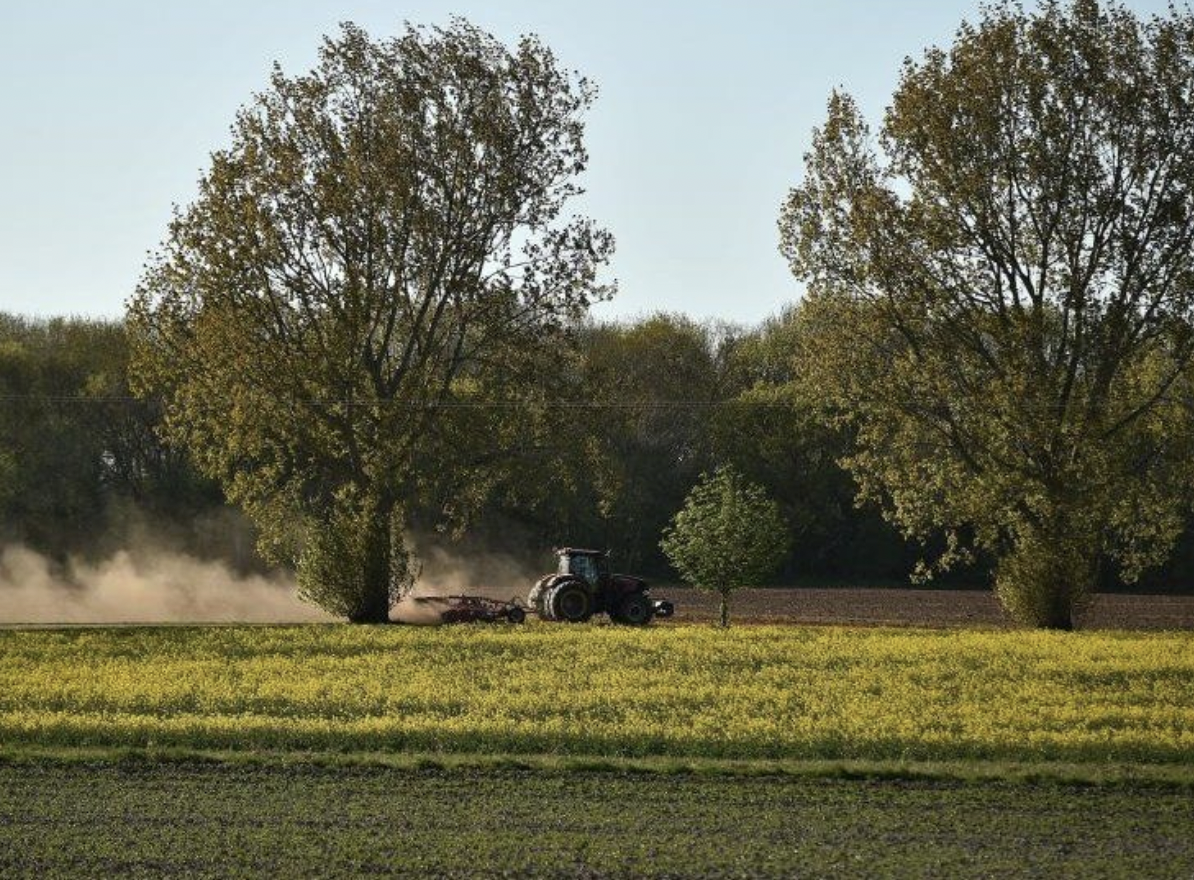

Under new government agriculture subsidies, farmers and landowners in England might be compensated to turn enormous amounts of land into nature reserves or restore floodplains.
Farmers were awarded grants based on how much land they farmed when the UK was a member of the EU. Following Brexit, the government has promised to pay farmers according on how they treat the environment.
Environmentalists, on the other hand, think the new plans are vague and may fail to deliver.
Landowners and farmers will be able to bid for money to convert enormous amounts of land – between 500 and 5,000 hectares – over to wildlife restoration, carbon sequestration, or flood control projects, according to the government’s “bold proposals.”
Environment Secretary George Eustice told the BBC, “What we’re moving to is a more generous set of incentives for farmers doing the right thing.”
“We can have both sustainable and successful food production while also seeing a natural comeback.”
Agriculture is a devolved topic in the United Kingdom, which means that each country has its own plans. Farmers were paid public money mostly depending on the amount of land they farmed under the EU’s Common Agricultural Policy: the more land they had, the more cash support they received. Around £3.5 billion will be distributed in 2020.
Instead of compensating farmers for how much land they labour, the government now wants to encourage them to adopt environmentally friendly practises.
Farming accounts for 10% of the UK’s greenhouse gas emissions, and large-scale agriculture has long been blamed for environmental degradation.
The first round of “Landscape Recovery” initiatives will be accepting applications soon. Mr Eustice stated that the plan will result in “fundamental land use change,” including the creation of new woods, peatland restoration, and other “intense interventions.”
The goal of these pilot projects is to generate 10,000 hectares of restored wildlife habitat, which could aid in carbon sequestration and the restoration of England’s rivers and streams. Mr Eustice expressed his hope that further large-scale rewilding projects, such as the Knepp estate in West Sussex, will follow.
The “golden opportunity” of the agricultural transformation, according to Craig Bennett, chief executive of the Wildlife Trusts, is in risk of being “wasted.”
“While the administration is making the right sounds, the devil is in the details, and the details have yet to be disclosed nearly six years after the EU referendum,” he said.
The plans, according to Dr. Alexander Lees of Manchester Metropolitan University, fit well with the challenges of reversing reductions in Britain’s most endangered species, those on the Red List. However, he described the pilot’s ambitions as “simultaneously low and over-ambitious.”
“Reversing biodiversity loss for the’most vulnerable species’ in just 10,000 hectares appears to be exceedingly difficult,” he noted.
“If we’re serious, we need to get to the 300,000 hectare target as quickly as possible.”