



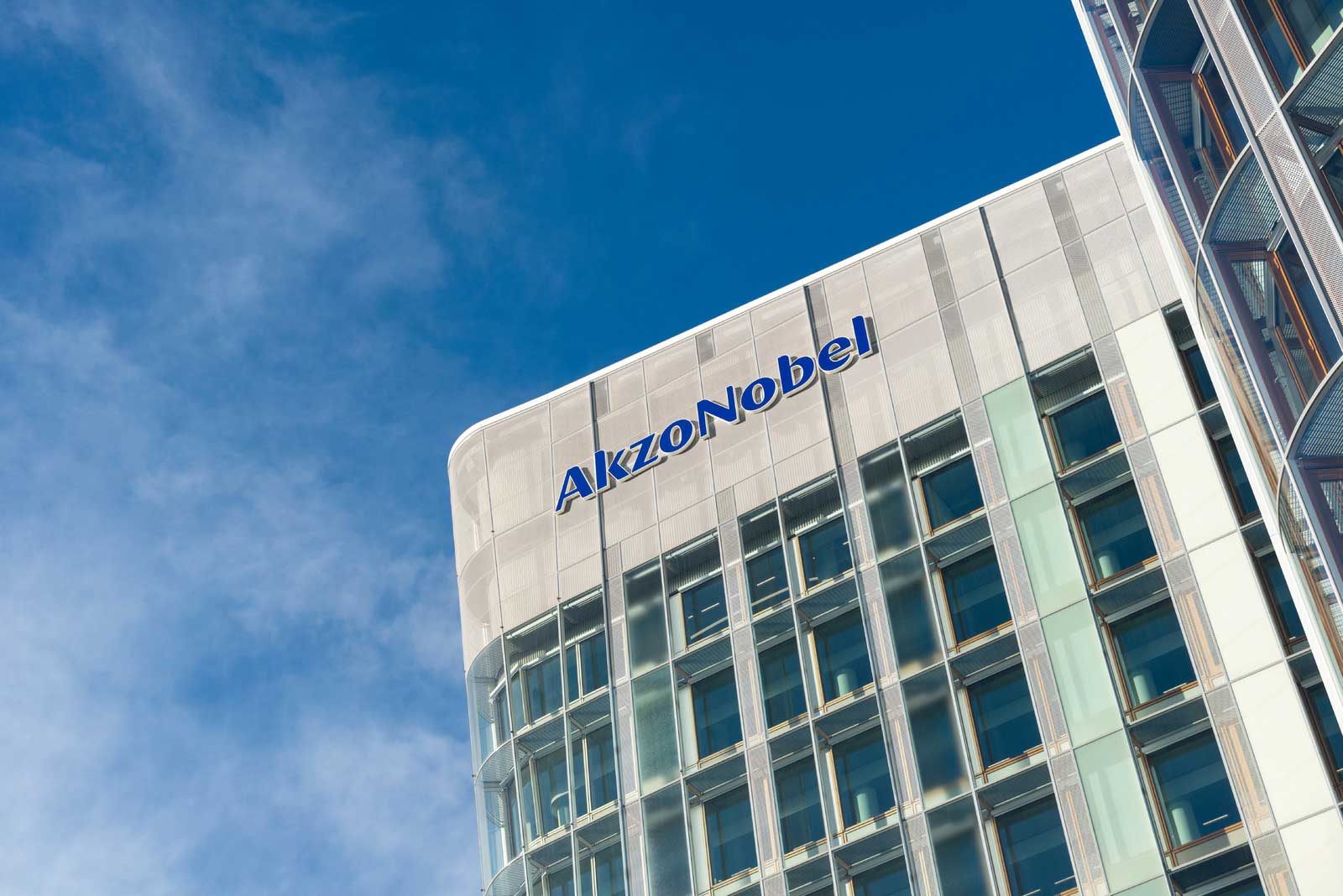

Amsterdam, Netherlands — Dutch paint manufacturer AkzoNobel has announced plans to eliminate 2,000 jobs by the end of next year as part of its initiative to “accelerate profitable growth.”
This move represents approximately 6% of the company’s global workforce, though specifics regarding how many of these cuts will impact Dutch employees remain unclear.
In a statement released on Tuesday, CEO Greg Poux-Guillaume emphasized the company’s recent performance and outlined the strategy behind the job cuts. “Over the last three quarters, we have demonstrated our ability to grow,” he said.
“We aim to accelerate profitable growth by optimizing our functional organization to become more agile in volatile markets and offset headwinds such as rising labor costs.”
The company’s strategy focuses on simplifying operations, expediting decision-making, and refining its management structure to better navigate challenging market conditions.
AkzoNobel is recognized for its well-known brands, including Dulux, Sikkens, and Flexa, and operates in more than 150 countries worldwide.
This announcement follows a series of cost-cutting measures the company has undertaken earlier this year. In May, AkzoNobel revealed plans to close manufacturing facilities in the Netherlands, Ireland, and Zambia, transferring production to other locations.
At that time, the company described this move as “the first part of a multi-year industrial efficiency plan” that is expected to be completed by the end of 2026.
Additionally, the firm highlighted its intentions to trim expenses by €250 million over the next three years, a response to a post-pandemic slowdown in demand. The recent job cuts reflect the ongoing challenges faced by many companies in the sector as they adapt to changing economic landscapes.
According to AkzoNobel’s second-quarter results, the adjusted earnings before interest, taxes, depreciation, and amortization (EBITDA) stood at €400 million, slightly higher than the €397 million recorded during the same period last year.
However, this figure fell short of analysts’ expectations. In light of these results, the company adjusted its forecast for 2024, expecting EBITDA to be at the lower end of its anticipated range of €1.50 billion to €1.65 billion.
Despite the announcement of job cuts, shares of AkzoNobel rose by 0.82% during trading on Tuesday morning, reflecting some investor optimism amidst the cost-cutting initiatives. The company’s efforts to streamline operations and improve profitability could potentially reassure shareholders in a fluctuating market.
Analysts suggest that AkzoNobel’s moves are indicative of broader trends in the manufacturing and consumer goods sectors, where companies are increasingly focused on operational efficiency to cope with rising costs and decreased demand post-pandemic.
As AkzoNobel embarks on this latest restructuring phase, employees and stakeholders alike will be closely monitoring the impact of these job cuts and the company’s overall performance in the coming months.
The outcome of this initiative will be pivotal not only for AkzoNobel but also for the paint and coatings industry as a whole, as it seeks to navigate the complexities of a rapidly evolving market environment.