



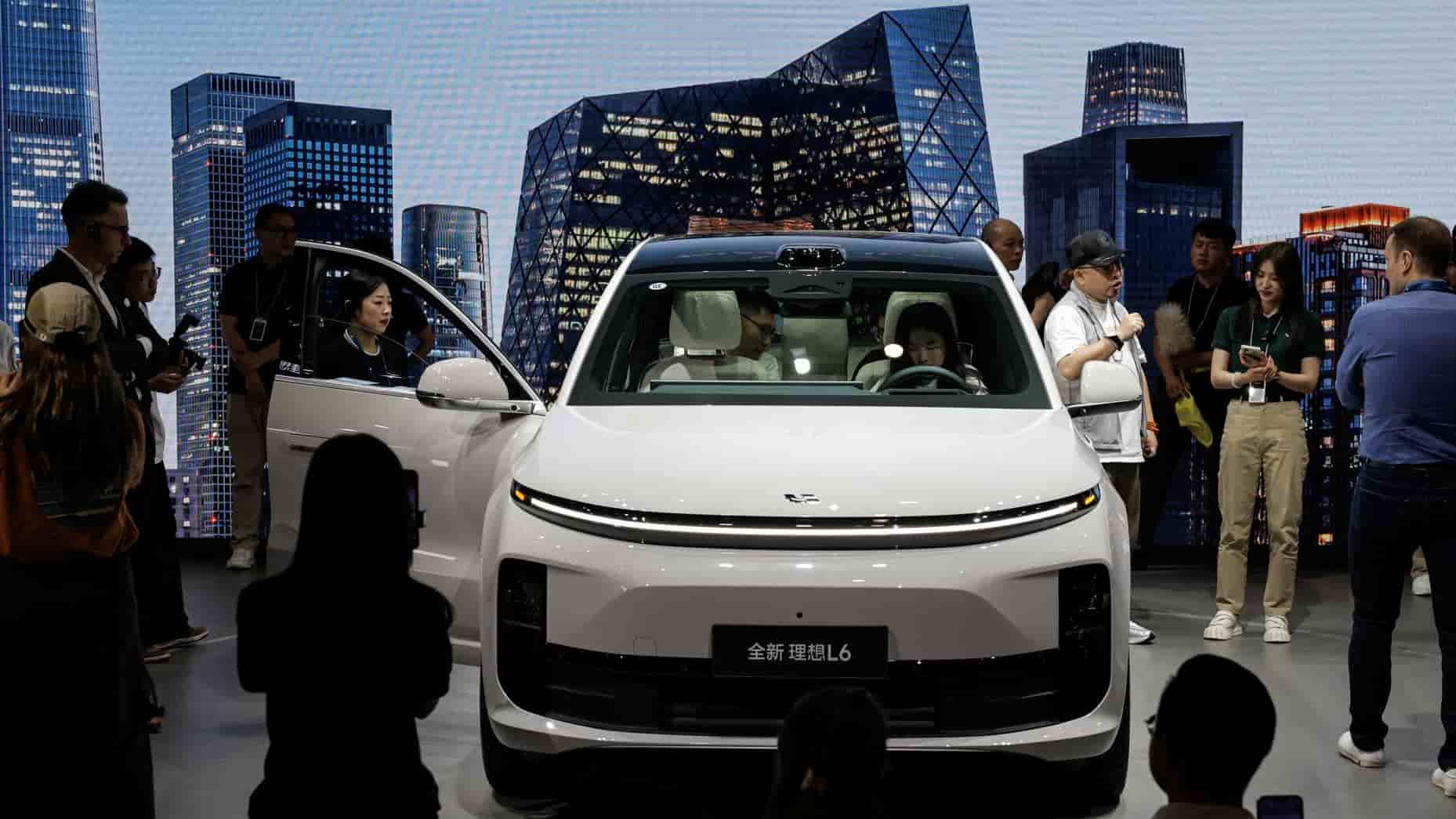

The European Union (EU) is set to impose significant tariffs on imports of electric vehicles (EVs) from China, following the backing of a majority of member states.
This move, aimed at protecting the European car industry, comes amid concerns over what EU officials describe as unfair subsidies provided by the Chinese government to its domestic automakers.
The planned tariffs, which will rise from the current 10% to as high as 45% over the next five years, have sparked a heated debate within the EU. Critics argue that such measures could lead to increased prices for consumers seeking to purchase electric vehicles.
China has increasingly relied on high-tech exports, including electric vehicles, to boost its slowing economy.
The EU represents the largest overseas market for Chinese electric cars, and the growth of companies like BYD and Geely has raised alarm bells among European automakers about their ability to compete with lower-priced imports.
Earlier this summer, the EU had already imposed varying import tariffs on different Chinese manufacturers. However, the recent vote was critical in determining the future of these tariffs for the next five years.
The charges were calculated based on findings from an EU investigation into the extent of state aid received by Chinese manufacturers. The European Commission has set individual duties for major Chinese EV brands, including SAIC, BYD, and Geely.
While some member states, including France, Italy, the Netherlands, and Poland, expressed support for the tariffs, Germany stood firmly against them.
The German automotive industry heavily depends on exports to China, and many carmakers, including Volkswagen, have publicly criticized the tariffs as an ineffective approach.
Germany’s top industry association, BDI, has called for continued dialogue between the EU and China to avert an “escalating trade conflict.”
The European Commission has indicated a willingness to explore alternative solutions to address concerns over the perceived subsidization of Chinese electric vehicles.
In response to the impending tariffs, China’s Commerce Ministry condemned the decision as “unfair” and “unreasonable,” though it remained open to resolving the issue through negotiations.
However, the decision has raised alarm among other industries outside the automotive sector, with fears of retaliatory tariffs from China looming large.
The French cognac industry, for instance, voiced concerns about being “sacrificed” in the midst of trade tensions, calling for a negotiated resolution to avoid punitive tariffs that could threaten their access to the Chinese market.
The fallout from these trade disputes is evident in the electric vehicle market. Recent figures revealed a staggering 43.9% drop in EU registrations of battery-electric cars in August compared to the previous year.
In the UK, while demand for new electric vehicles reached a record high in September, the growth was primarily attributed to commercial agreements and substantial discounts from manufacturers.
The Society of Motor Manufacturers and Traders (SMMT) expressed serious concerns about the pace of market growth, which they believe is insufficient to meet mandated targets.
As the UK government aims to transition to zero-emission vehicles, manufacturers are expected to meet sales targets under the Zero Emission Vehicle (ZEV) mandate, which stipulates that at least 22% of vehicles sold this year must be zero-emission. This figure is expected to rise to 80% by 2030 and 100% by 2035.
Several car company executives, including those from BMW, Ford, and Nissan, reached out to UK Chancellor Rachel Reeves, warning that the industry was on track to miss its targets. Economic factors, such as rising energy and material costs, along with increased interest rates, have made electric vehicles “stubbornly more expensive.”
The average price of an electric car in the UK now stands at around £48,000. Furthermore, the lack of confidence in the UK’s charging infrastructure remains a significant barrier to encouraging consumers to make the switch to electric vehicles.
As the EU moves forward with the new tariffs, the landscape for electric vehicle sales and production could face significant shifts, raising questions about the future of international trade and cooperation in the automotive sector.