



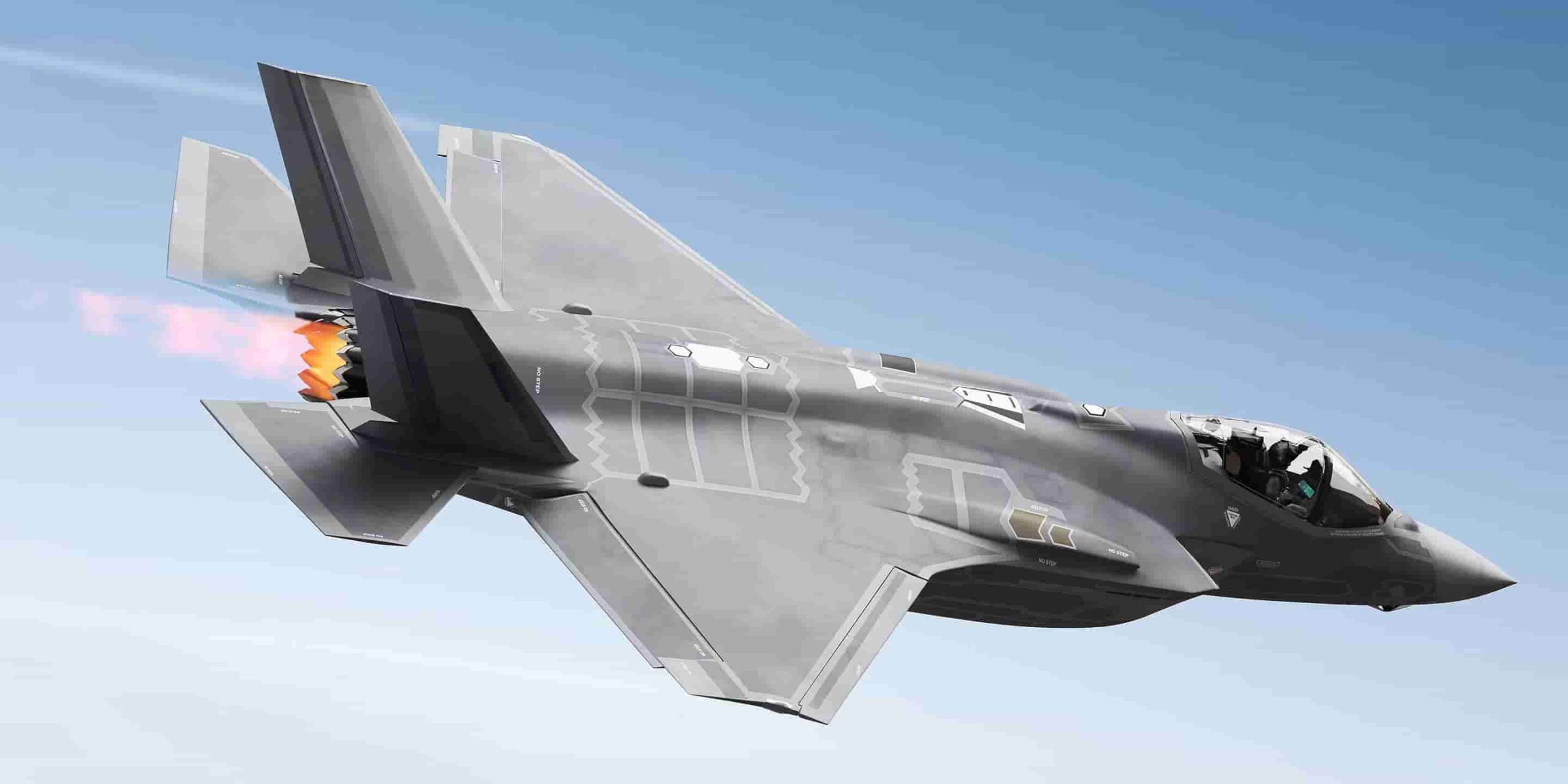
 software update, which is critical to the operation of the F-35 aircraft)
Norway has become the latest customer of the Lockheed Martin F-35 fighter jet to experience significant delivery delays due to an ongoing software update issue.
According to recent budget documents released by the Norwegian government in support of its 2025 financial plan, the nation is still awaiting the arrival of 12 aircraft originally scheduled for delivery in 2023 and 2024.
This delay affects nearly one-quarter of Norway’s planned fleet of 52 F-35 units, with no new jets expected before mid-2025.
The delay stems from the late roll-out of the Technical Refresh 3 (TR-3) software update, which is critical to the operation of the F-35 aircraft.
In its budget documents, the Norwegian government acknowledged that “there are still delays in the tests on this configuration,” pushing delivery timelines to summer 2025.
Norway is not alone in dealing with these delays; other F-35 customers, including Belgium and Denmark, have also reported issues related to the TR-3 update.
As of now, the Royal Norwegian Air Force (RNoAF) has received 40 F-35s, of which six are stationed in the United States for training purposes.
However, the delays have also had a knock-on effect on the integration of essential new capabilities, notably the Kongsberg Joint Strike Missile (JSM), which was expected to be deployed with the aircraft.
Delayed JSM Integration
The integration of the JSM with the F-35, a critical capability for Norway’s defense strategy, has been hampered by the same TR-3 roll-out issues. Norway had planned to have the JSM fully integrated by 2025, but this timeline now appears unachievable.
“The delay means that the integration of the JSM on the F-35 combat aircraft will probably not be completed in 2025 as planned,” the Norwegian government stated.
This setback means that the F-35 will not be able to fully perform all its intended combat roles until the integration process is finalized. Despite the delays, interest in the JSM from other F-35 operators remains strong.
Kongsberg, the Norwegian company responsible for the missile, has already secured initial orders from the US Air Force and is working to finalize sales to other countries, including Australia and Japan.
Lower Aircraft Availability
In addition to the delivery and integration delays, the Royal Norwegian Air Force is also contending with a lower-than-expected operational availability of its existing F-35 fleet.
The budget documents highlight that the air force has had fewer aircraft ready for combat operations than anticipated, a problem that has forced Norway to make internal adjustments and seek external support.
To mitigate this, the RNoAF is working with an external maintenance organization to boost access to technical support.
The air force is also taking internal measures aimed at optimizing staffing, improving maintenance routines, and maximizing the available flying hours for its aircraft.
“The internal measures are intended to strengthen staffing and optimize processes and working time in order to generate the most available flying time with the available resources,” the documents note.
Norway’s F-35 acquisition is projected to cost NKr104 billion ($9.6 billion) overall, with NKr5.6 billion ($564 million) earmarked for the program in 2025 alone.
As Norway and other nations continue to grapple with the impact of the TR-3 software delays, efforts at both the national and program levels are ongoing to improve operational availability and reduce aircraft downtime.
This article was created using automation technology and was thoroughly edited and fact-checked by one of our editorial staff members