



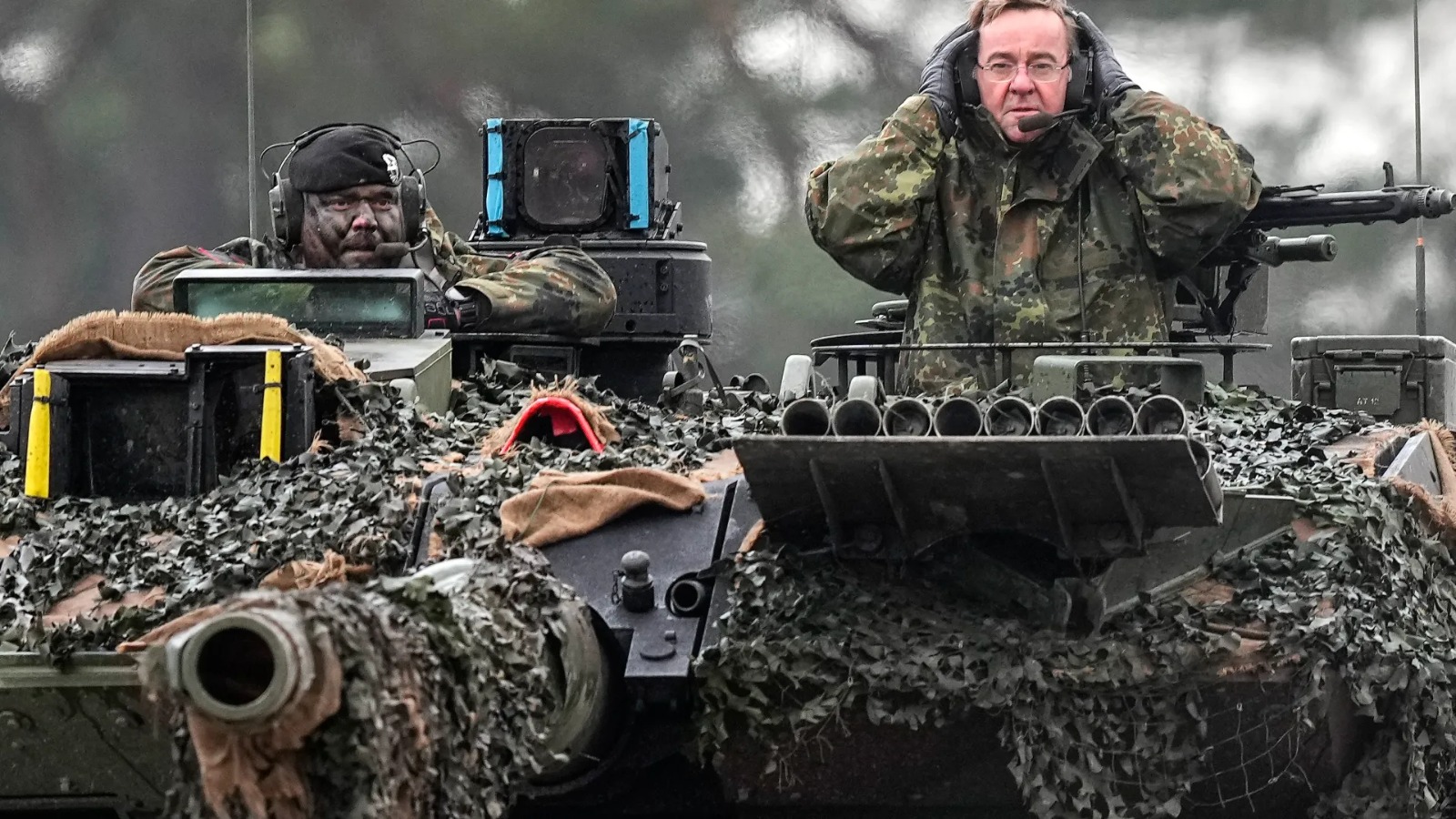

A storm of controversy has engulfed German politics following the release of a leaked recording purportedly capturing discussions among high-ranking military officials, suggesting plans to strike Russian territory.
The revelation, made public by Margarita Simonyan, head of Russia’s state-run RT propaganda channels, has ignited a diplomatic firestorm, raising questions about Chancellor Olaf Scholz’s leadership and Germany’s stance on international relations.
The contentious recording allegedly features conversations among German military figures discussing the provision of weapons to Ukraine and the possibility of a Ukrainian strike on a strategic bridge, suspected to be the Crimean Bridge.
While the source of the recording remains undisclosed, Simonyan claimed it was obtained from sources within military circles, prompting swift reactions from both Moscow and Berlin.
In response to the leaked recording, the Russian Foreign Ministry summoned the German ambassador in Moscow for clarification on the matter.
Maria Zakharova, spokesperson for the Russian Foreign Ministry, seized the opportunity to criticize Germany’s “incomplete denazification process” and warned of severe consequences if the situation persists.
Zakharova also cast doubt on the state of democracy in Germany, alleging a lack of transparency and accountability within the government.
Meanwhile, Germany has initiated an investigation into the authenticity of the recording involving its military counterintelligence unit. While unofficial assessments suggest the recording is genuine, concerns have been raised about potential alterations.
The use of the WebEx application for military communications, known for its security vulnerabilities, has been cited as a contributing factor to the leak.
Kremlin spokesperson Dmitry Peskov emphasized the purported discussion within the Bundeswehr regarding plans to strike Russian territory, questioning the military’s autonomy and Chancellor Scholz’s control over the situation.
On his part, Chancellor Scholz has pledged a thorough investigation into the matter, describing it as a serious concern.
He reiterated his stance against supplying certain missile systems to Ukraine (Taurus), citing concerns about maintaining control and preventing escalation of the conflict.
Defense Minister Boris Pistorius characterized the leak as a hybrid disinformation attack aimed at undermining unity within Germany.
While the German Ministry of Defense acknowledged the interception of the conversation, news agencies have been unable to verify its authenticity independently.
Roderich Kiesewetter, a prominent figure in the German opposition, speculated that additional recordings may surface, expressing personal belief in the credibility of the leaked conversation.
He highlighted Russia’s history of employing espionage and sabotage tactics as part of its hybrid warfare strategies.
The leaked recording has exposed alleged discussions within the German military and reignited tensions between Germany and Russia, adding complexity to an already delicate geopolitical landscape.
As both nations navigate this diplomatic impasse, the repercussions of these revelations will likely reverberate across international corridors, shaping the trajectory of future relations between Berlin and Moscow.
This article was created using automation technology and was thoroughly edited and fact-checked by one of our editorial staff members